Class 8 writing worksheets and printables from Wayground help students master essential composition skills through engaging practice problems, free PDF resources, and comprehensive answer keys for effective learning.
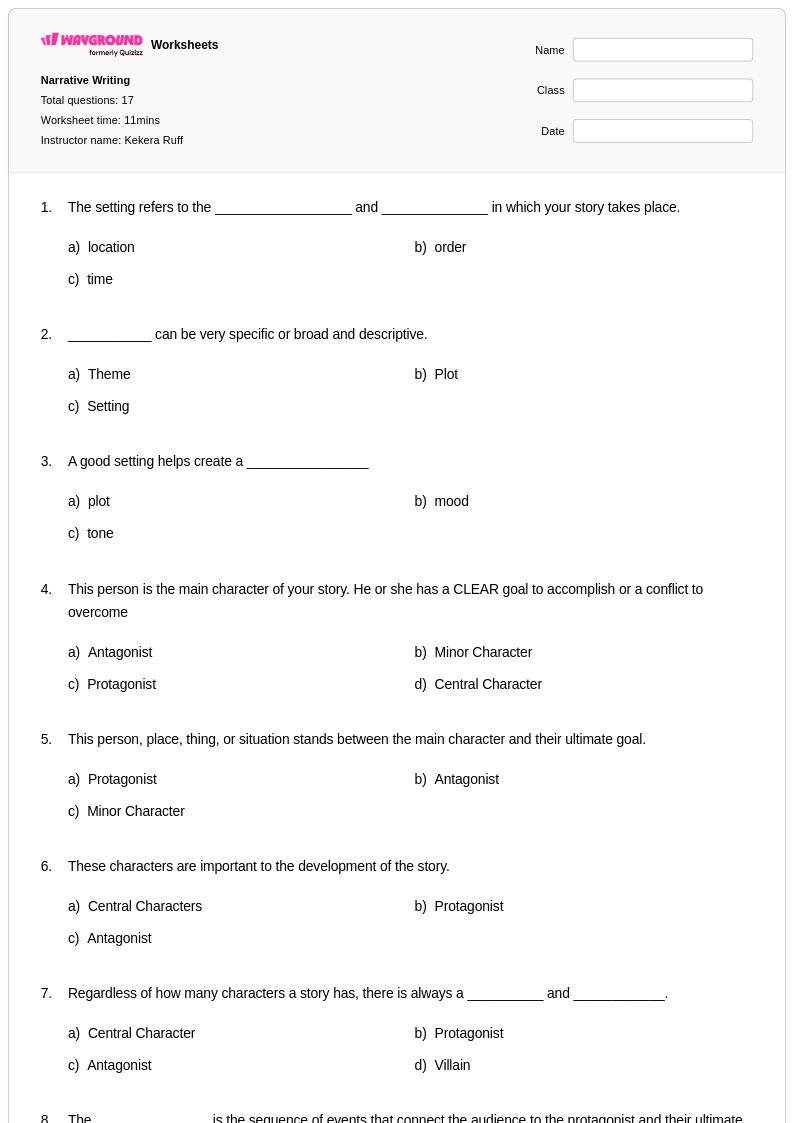
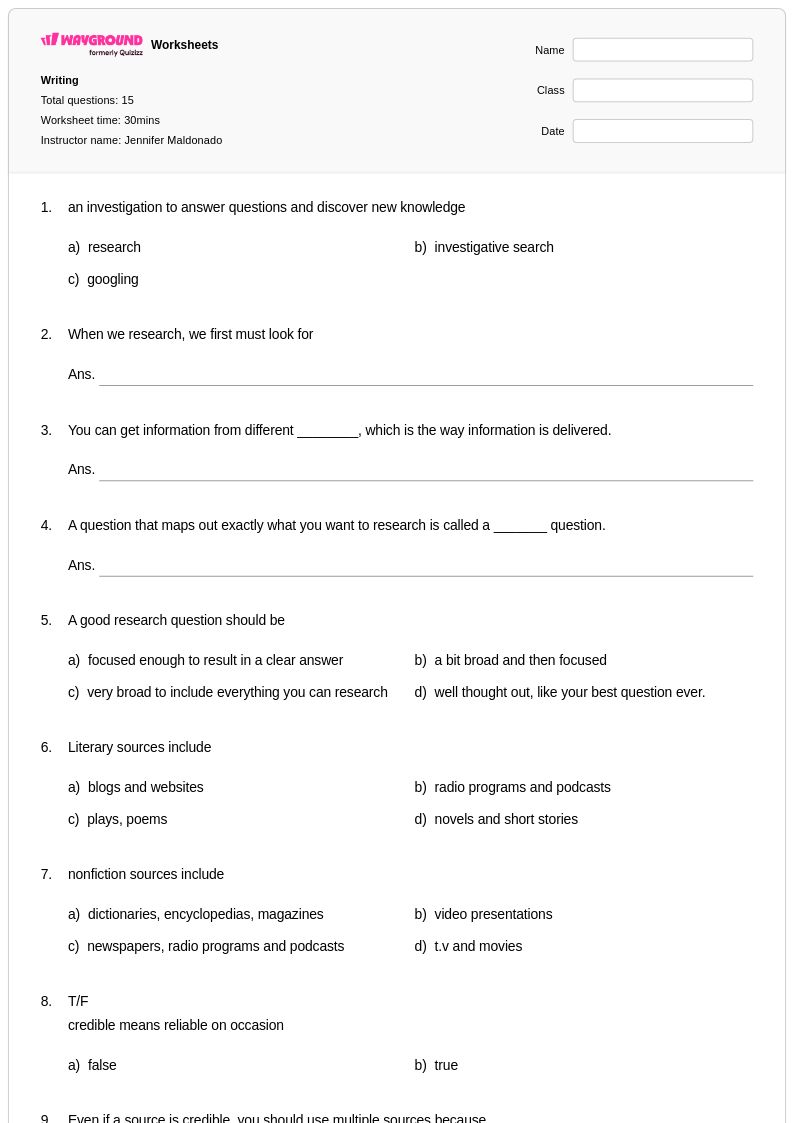
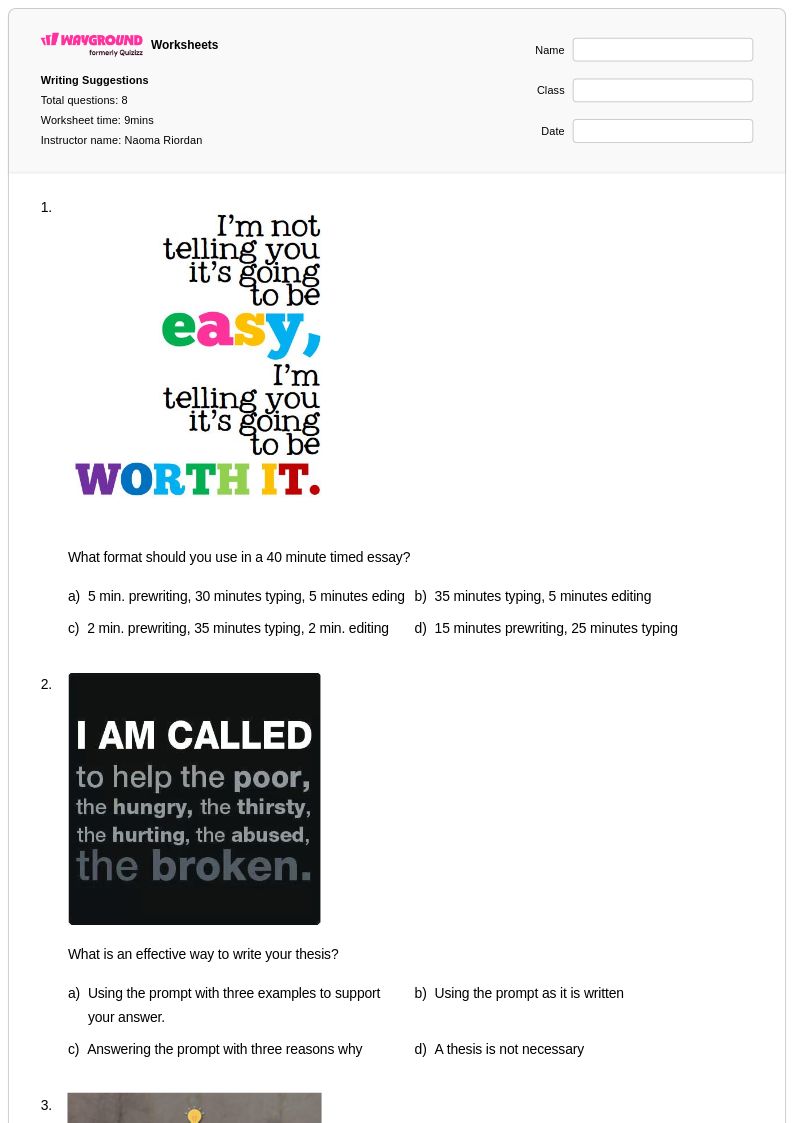
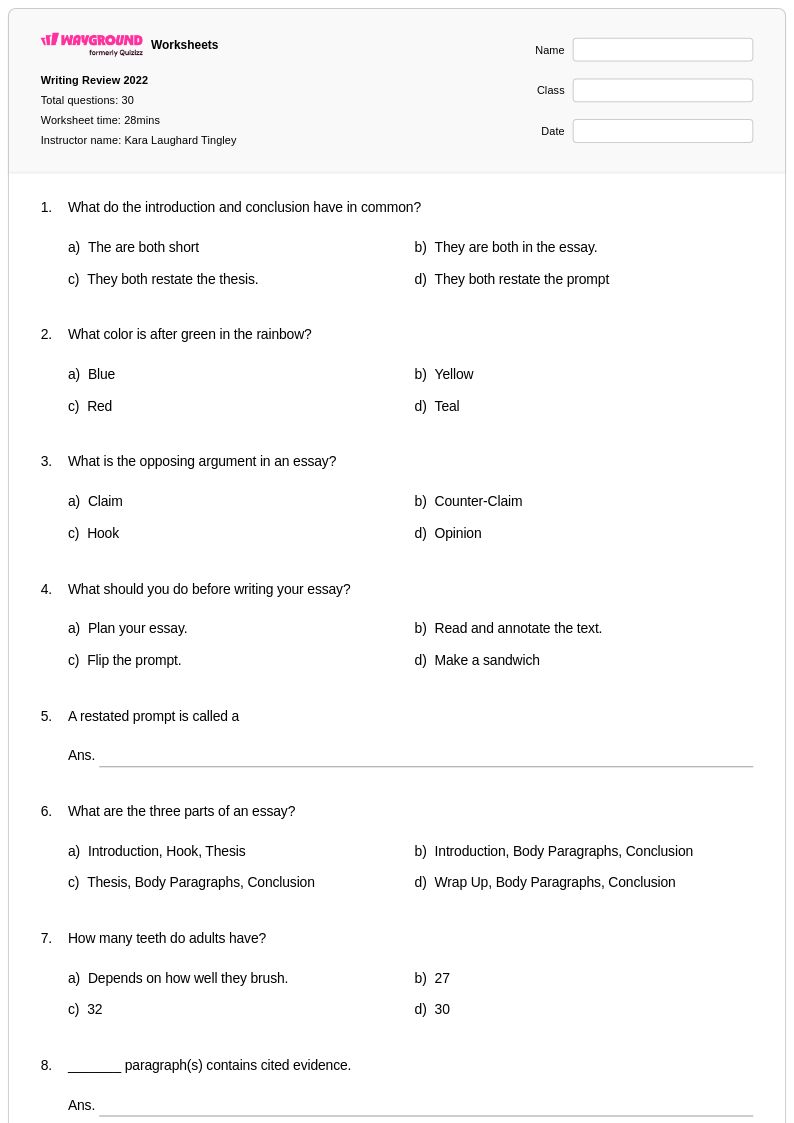
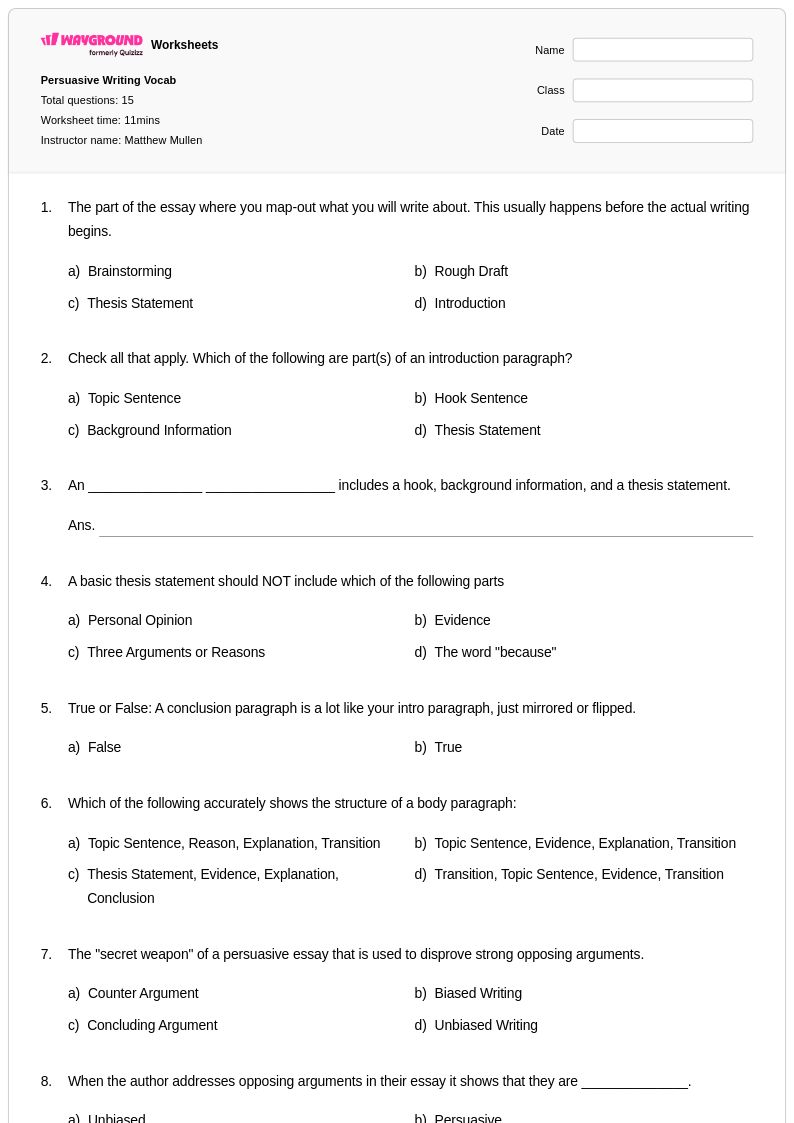
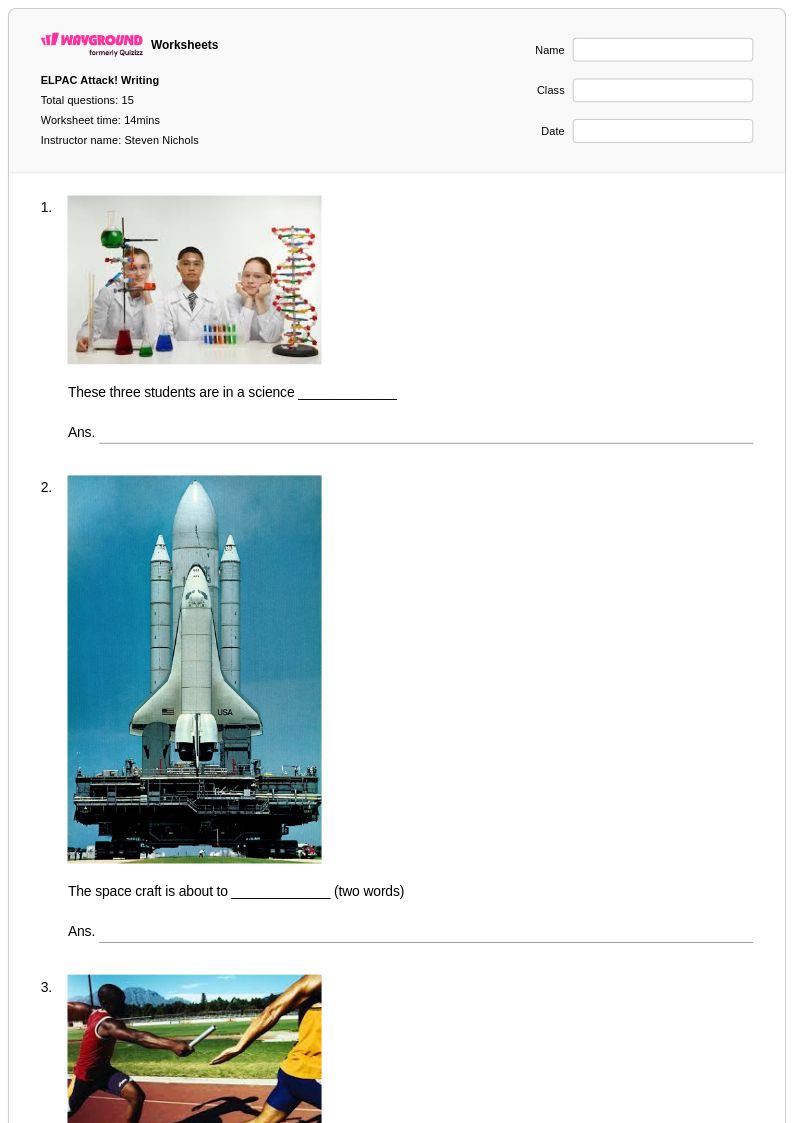
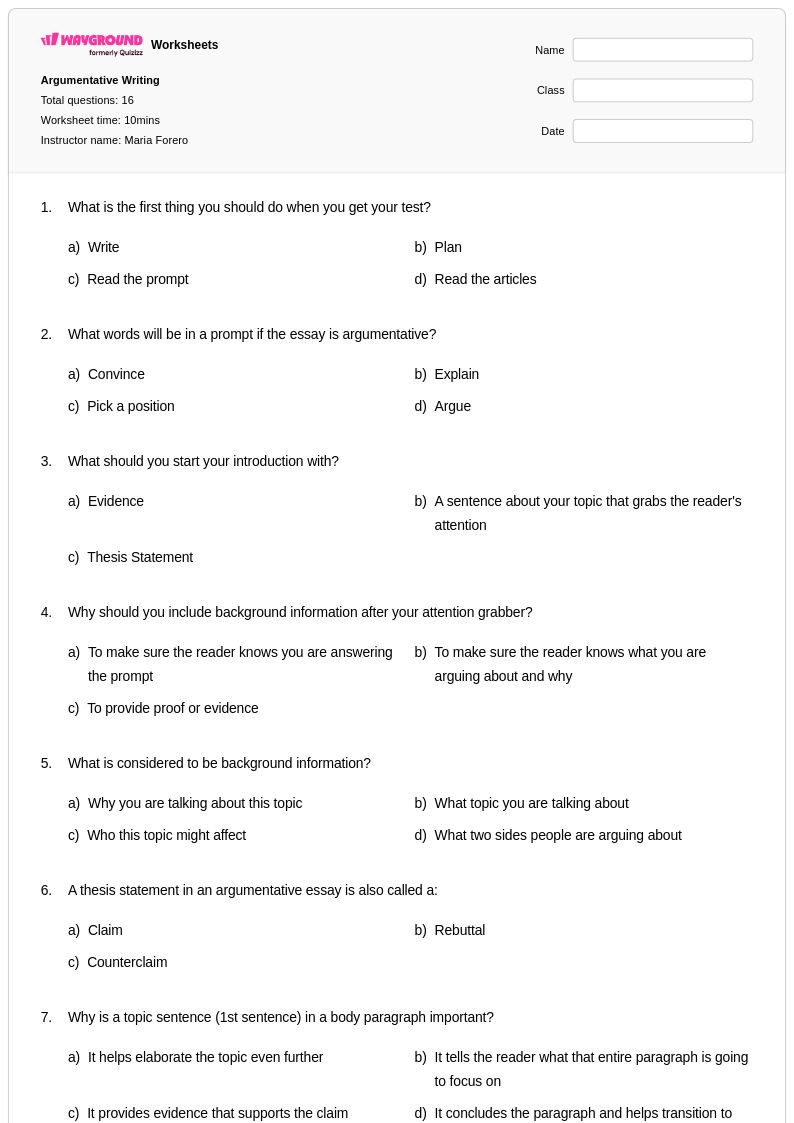
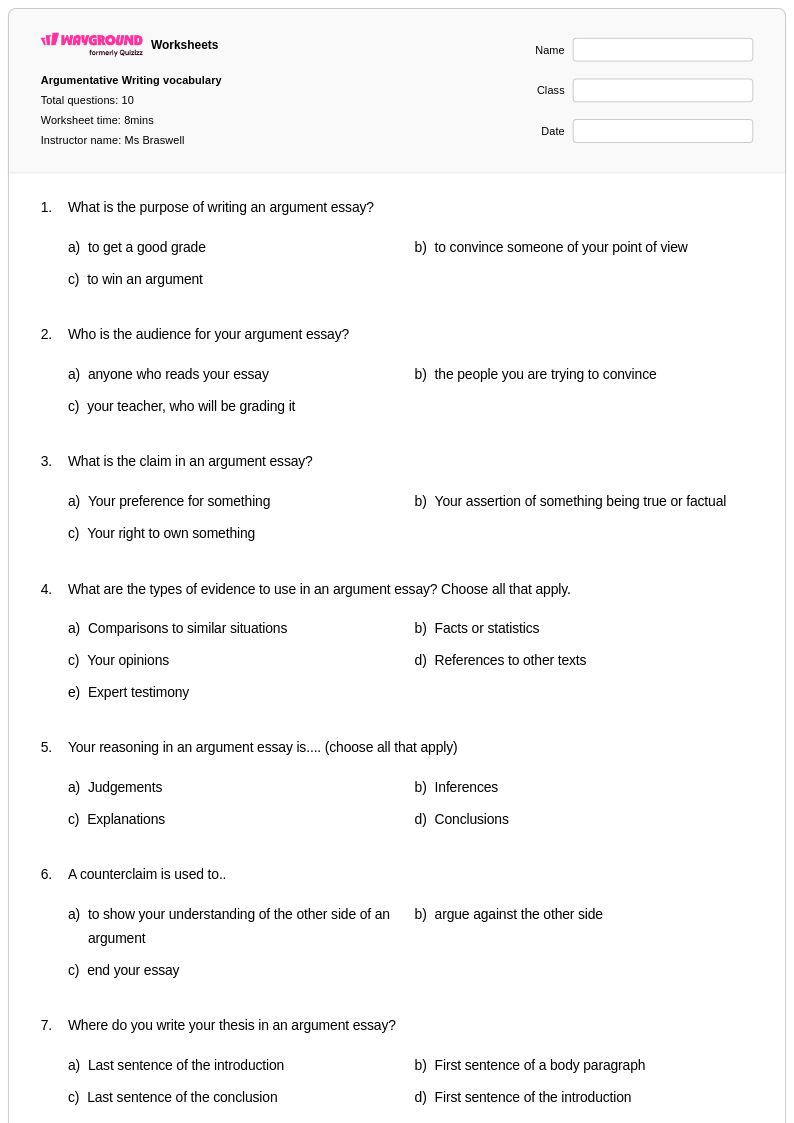
Class 8 writing worksheets available through Wayground provide comprehensive practice opportunities that help students master essential composition skills and prepare for high school-level academic writing. These carefully designed resources focus on strengthening critical writing competencies including paragraph development, thesis statement construction, evidence integration, and revision strategies. Students work through practice problems that challenge them to analyze text structure, develop coherent arguments, and refine their voice across various genres including narrative, expository, and persuasive writing. Each worksheet includes detailed answer keys that enable both independent study and guided instruction, while the free printable format makes these resources accessible for classroom use, homework assignments, and targeted skill remediation.
Wayground's extensive collection of Class 8 writing worksheets draws from millions of teacher-created resources, offering educators powerful search and filtering capabilities to locate materials aligned with specific learning objectives and curriculum standards. Teachers can easily differentiate instruction by selecting worksheets that match individual student needs, whether for remediation of foundational skills or enrichment of advanced writing techniques. The platform's flexible customization tools allow educators to modify existing materials or combine multiple worksheets to create comprehensive writing units. Available in both digital and printable PDF formats, these resources seamlessly integrate into diverse teaching environments and support various instructional approaches, from traditional paper-and-pencil practice to technology-enhanced learning experiences that promote writing fluency and critical thinking development.
FAQs
How do I teach the writing process to students who struggle to get started?
Breaking the writing process into discrete, teachable stages — prewriting, drafting, revising, editing, and publishing — helps students who feel overwhelmed by open-ended writing tasks. Structured prewriting activities like brainstorming webs and guided outlines give students a concrete starting point before drafting begins. Teaching each stage explicitly, with dedicated practice for each step, builds the procedural knowledge students need to approach writing independently. Worksheets that isolate individual stages, such as outlining practice or sentence-revision exercises, are particularly effective for students who freeze at the blank page.
What exercises help students practice paragraph structure and organization?
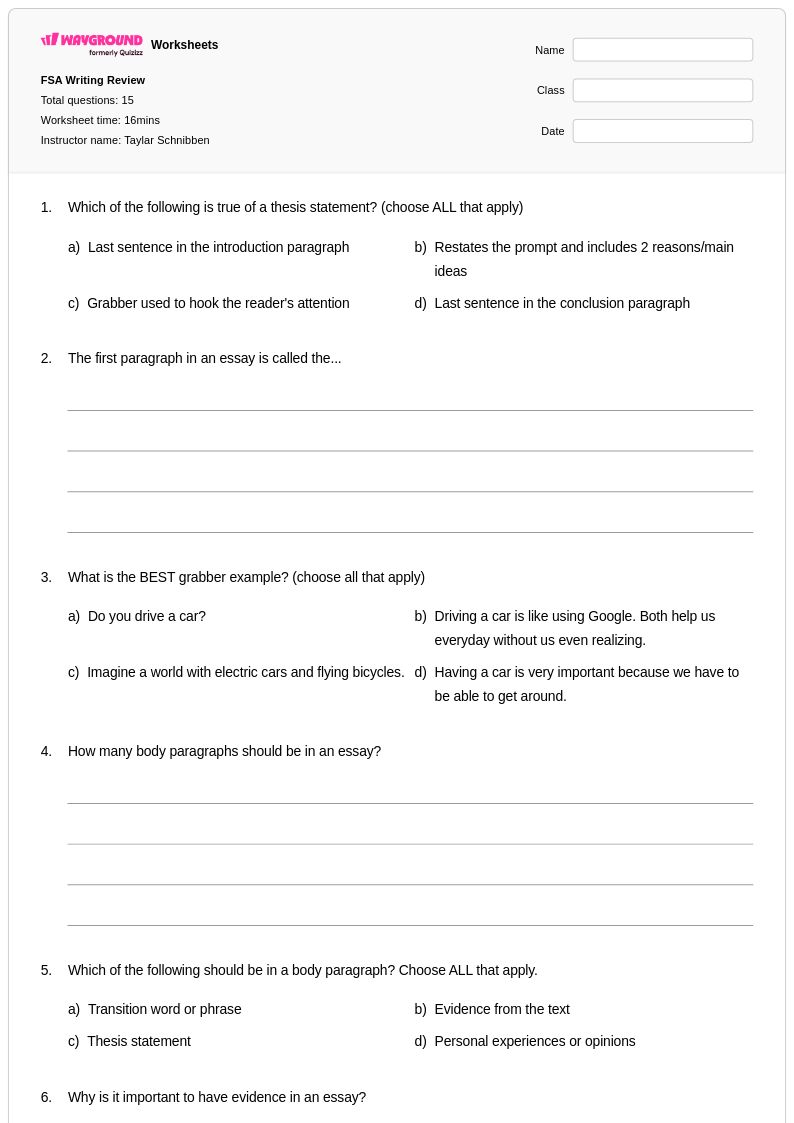
Exercises that ask students to identify topic sentences, arrange scrambled sentences into logical order, or add supporting details to a provided claim are highly effective for building paragraph structure skills. Graphic organizers that map out the relationship between a main idea and its supporting evidence help students internalize organizational patterns before writing independently. Practice problems focused on transitions teach students how to connect ideas across sentences and paragraphs, which is one of the most transferable writing skills across genres and grade levels.
What are the most common writing mistakes students make, and how can I address them?
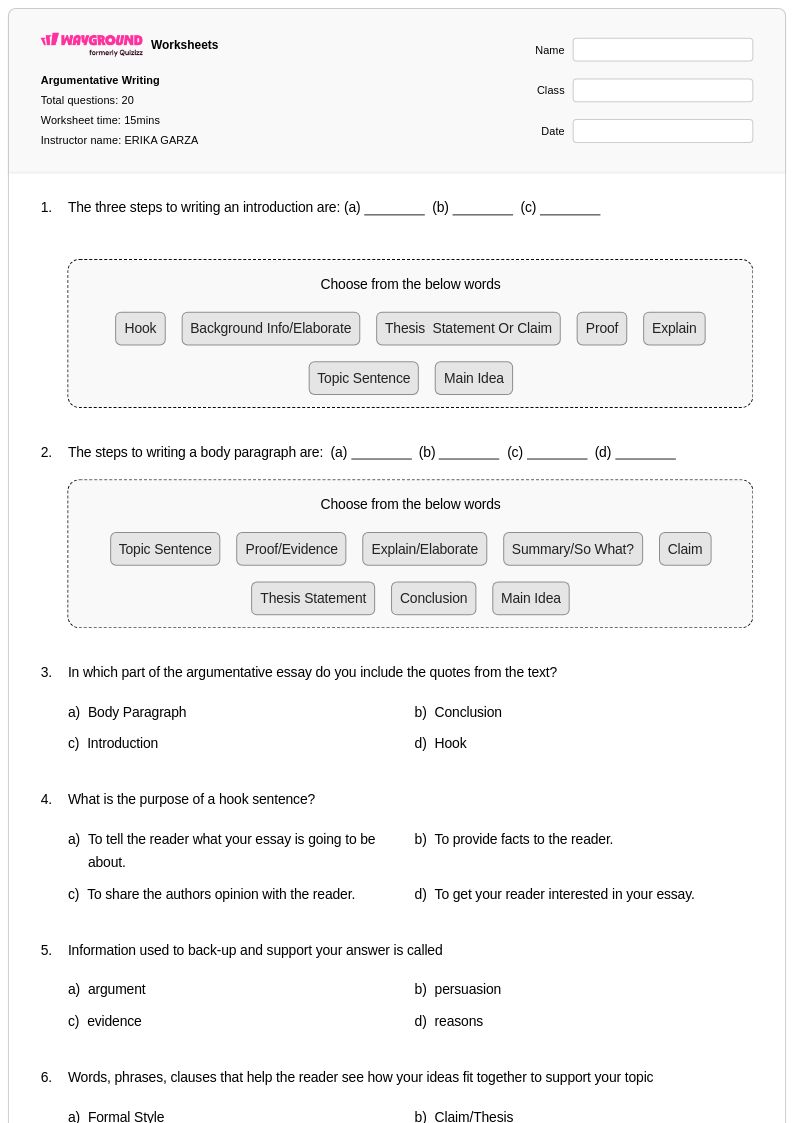
The most frequent student writing errors include run-on sentences, unclear pronoun reference, unsupported claims in argumentative writing, and weak topic or concluding sentences. Students also commonly confuse revision with editing, treating surface-level grammar fixes as the only form of improvement while leaving organizational and development issues unaddressed. Targeted worksheets that isolate specific error types — such as combining run-on sentences or strengthening a weak argument with evidence — allow teachers to address these misconceptions systematically rather than through generic feedback alone.
How can I differentiate writing instruction for students at different skill levels?
Effective differentiation in writing instruction means adjusting both the complexity of the task and the level of scaffolding provided, not simply giving advanced students more work. Struggling writers benefit from sentence frames, partially completed graphic organizers, and step-by-step drafting guides, while proficient writers can work with open-ended prompts, mentor texts for analysis, or genre-blending challenges. On Wayground, teachers can apply accommodations such as read aloud, reduced answer choices, and extended time to individual students, so each learner accesses writing practice at the appropriate level of support without disrupting the rest of the class.
How do I use Wayground writing worksheets in my classroom?
Wayground writing worksheets are available as printable PDFs for traditional classroom use and in digital formats for technology-integrated learning environments, making them flexible across instruction models. Teachers can assign worksheets for whole-group instruction, small-group targeted practice, or individual remediation depending on the lesson goal. Digital versions can also be hosted as a quiz on Wayground, allowing teachers to collect student responses and track performance in real time. Each worksheet includes answer keys, so teachers can use them for formative checks, homework assignments, or independent practice centers.
How do I teach students to write for different genres and purposes?
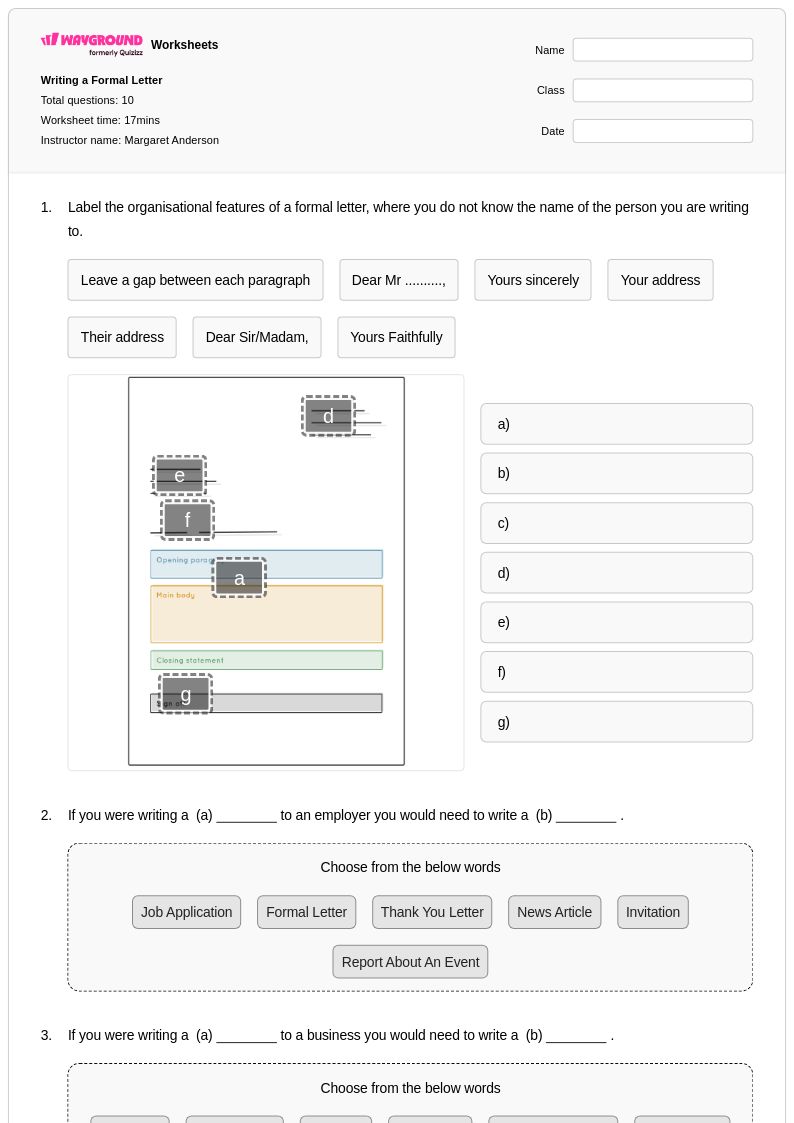
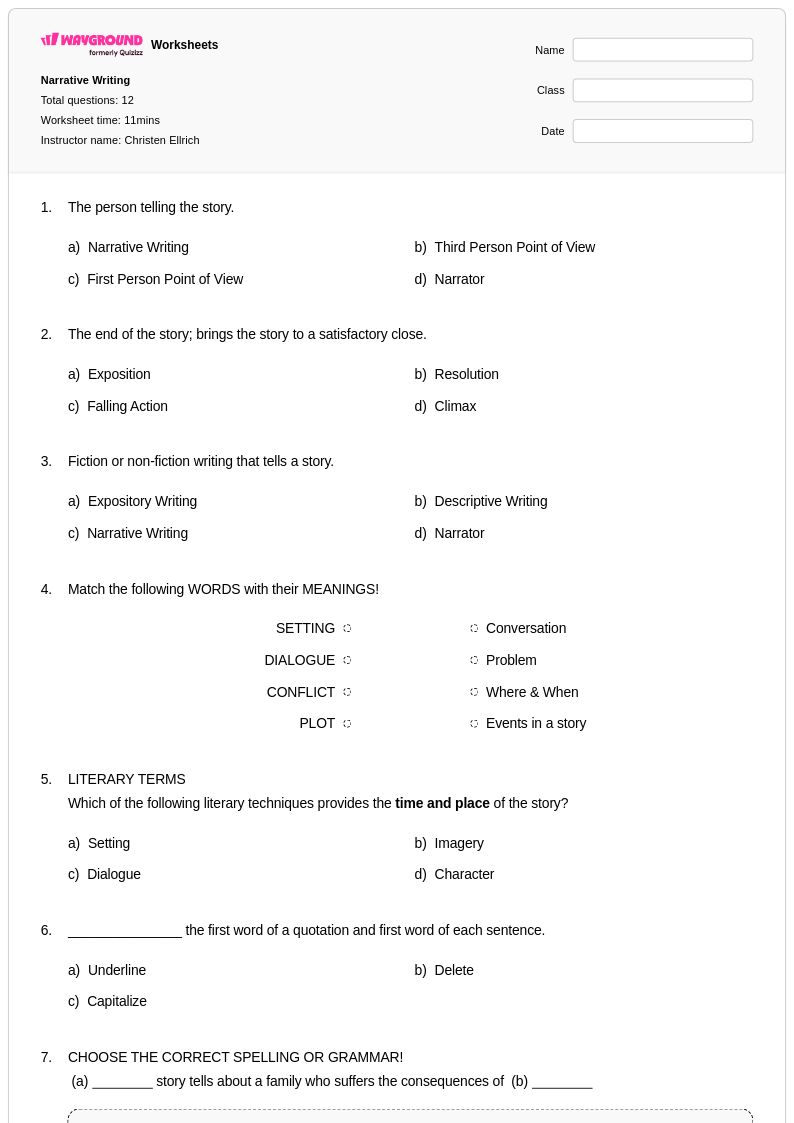
Genre writing instruction is most effective when students first analyze mentor texts to identify the structural and stylistic conventions of a given form before attempting to produce their own. Teaching narrative, descriptive, persuasive, and expository writing as distinct modes with unique organizational patterns, vocabulary, and audience expectations helps students develop range as communicators. Worksheets that present genre-specific prompts alongside structural guides or annotated examples give students a model to follow while practicing the conventions of each form independently.