
Explore worksheets by ELA topics
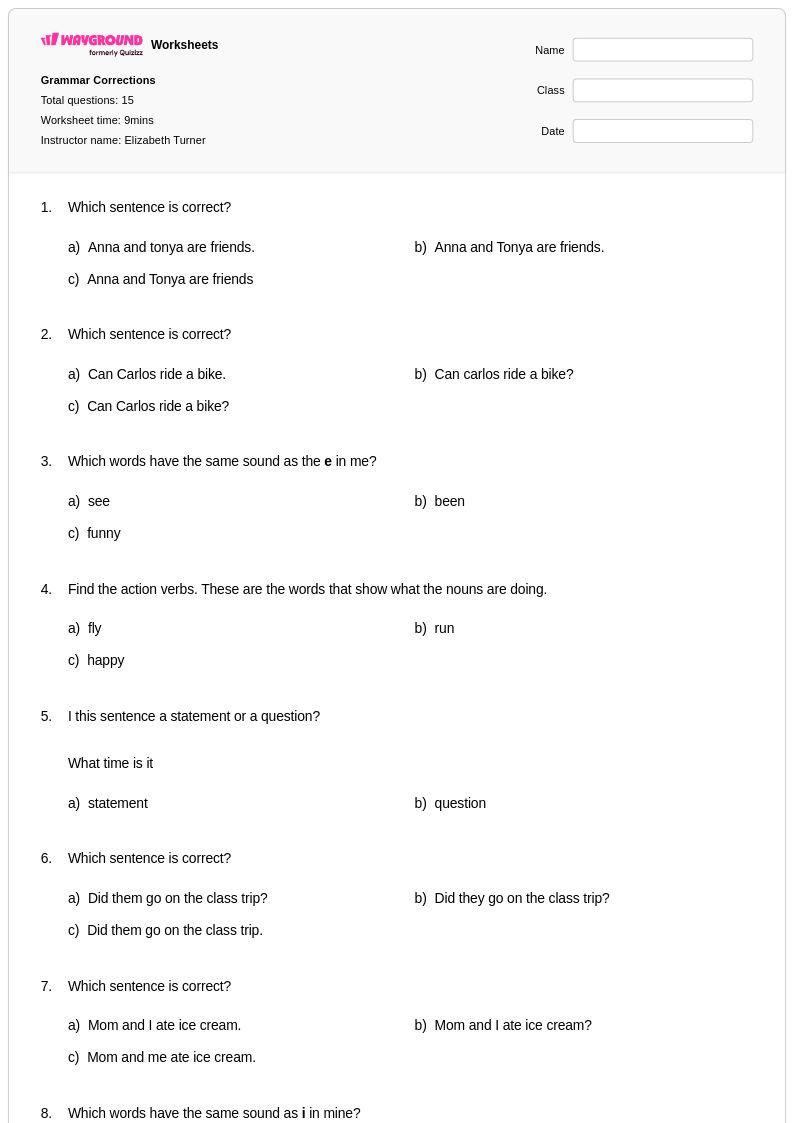
15 Q
1st - 3rd
15 Q
1st - 3rd
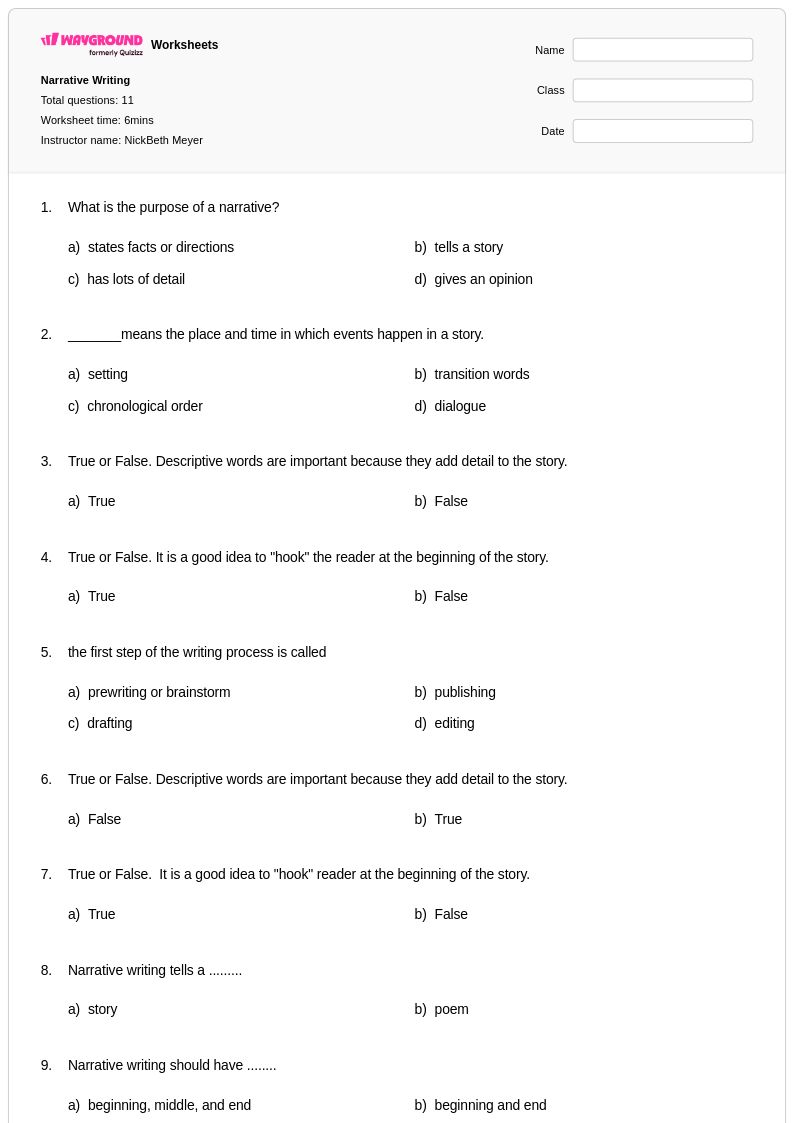
11 Q
1st - 3rd
11 Q
1st - 3rd
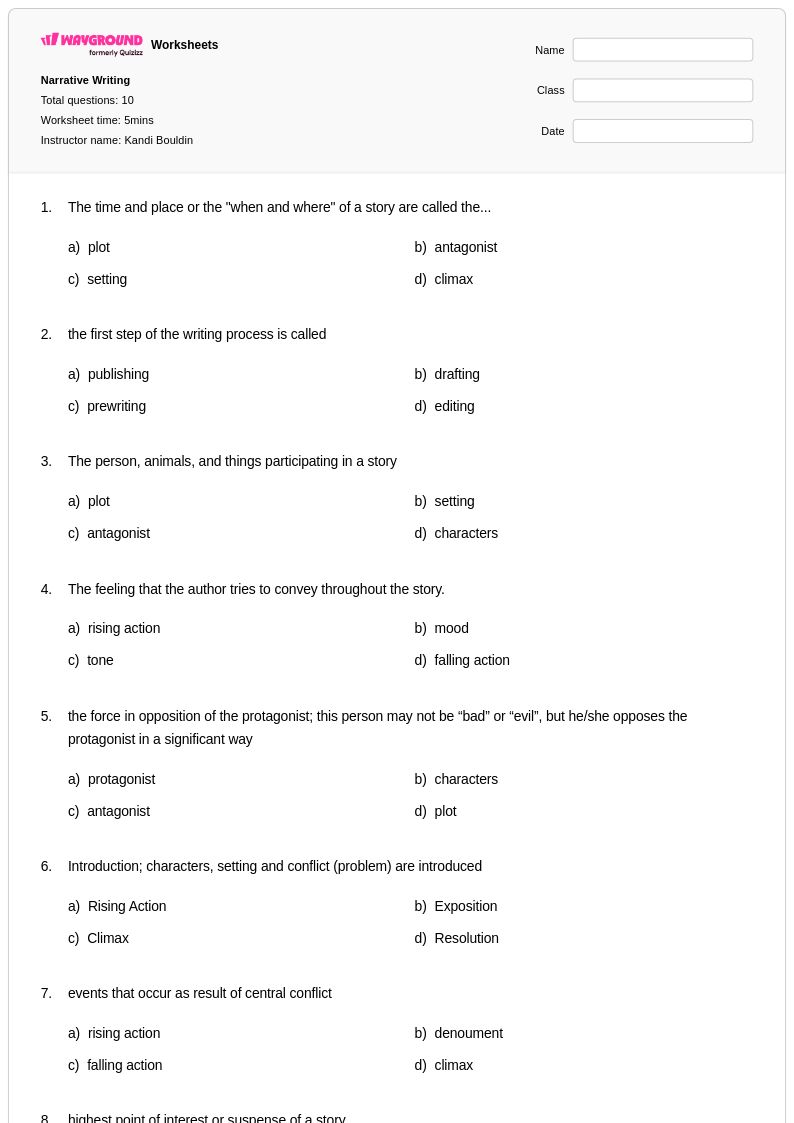
10 Q
1st - 10th
10 Q
1st - 10th
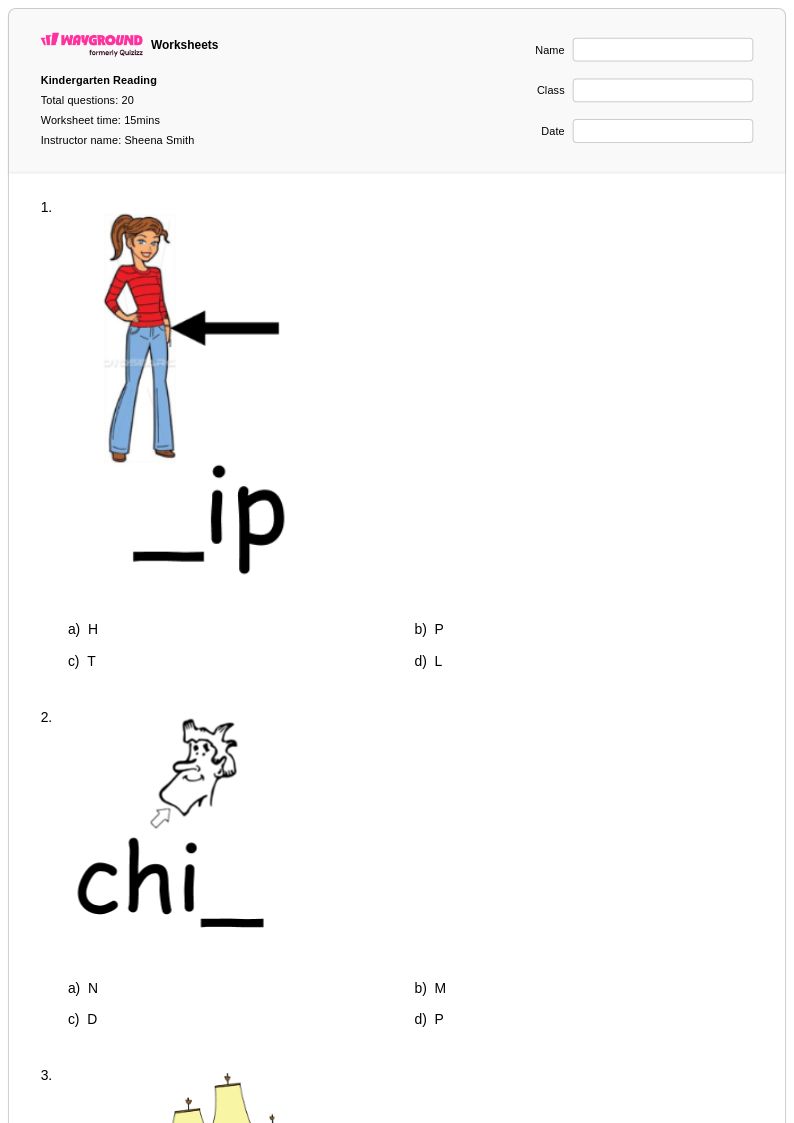
20 Q
KG - 1st
20 Q
KG - 1st
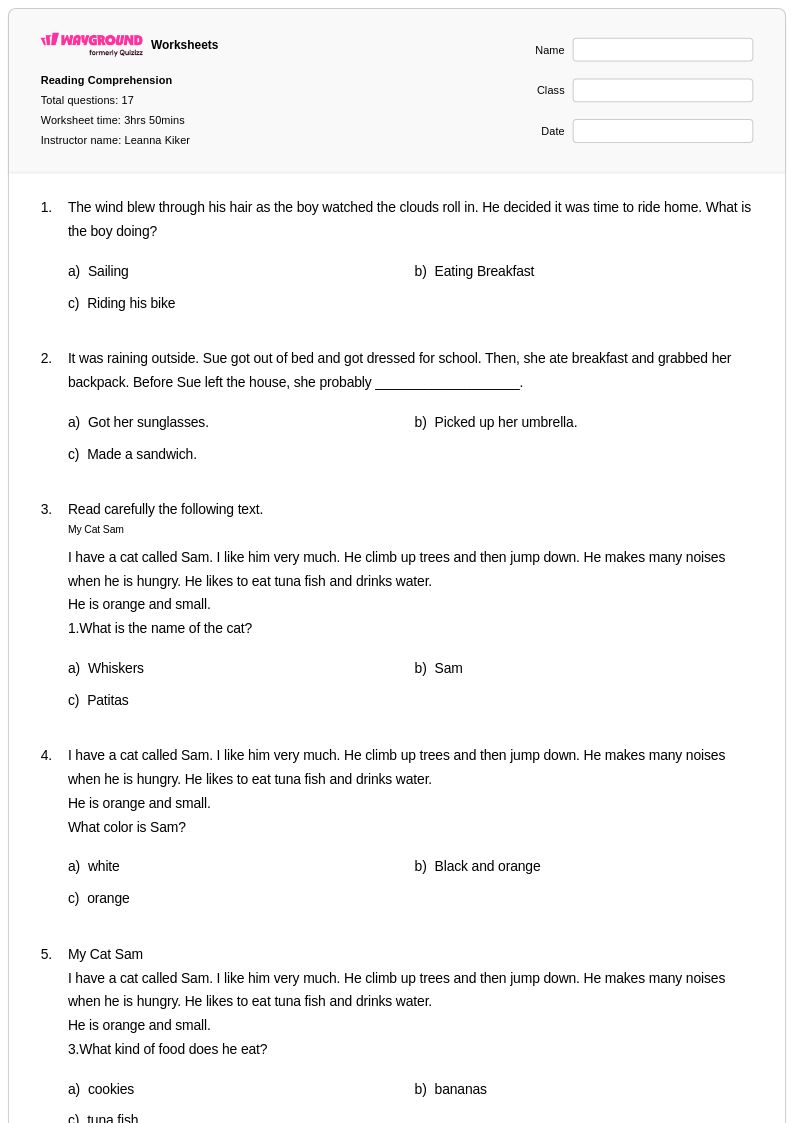
17 Q
1st - 4th
17 Q
1st - 4th
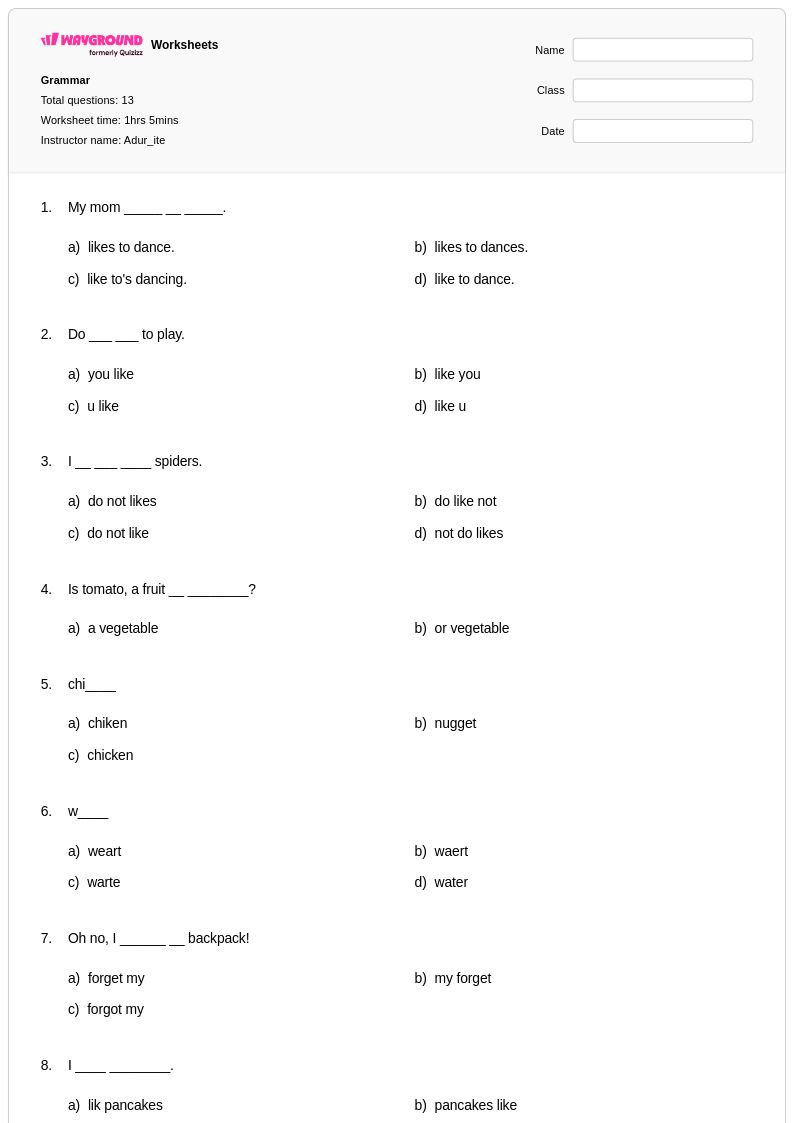
13 Q
1st
13 Q
1st
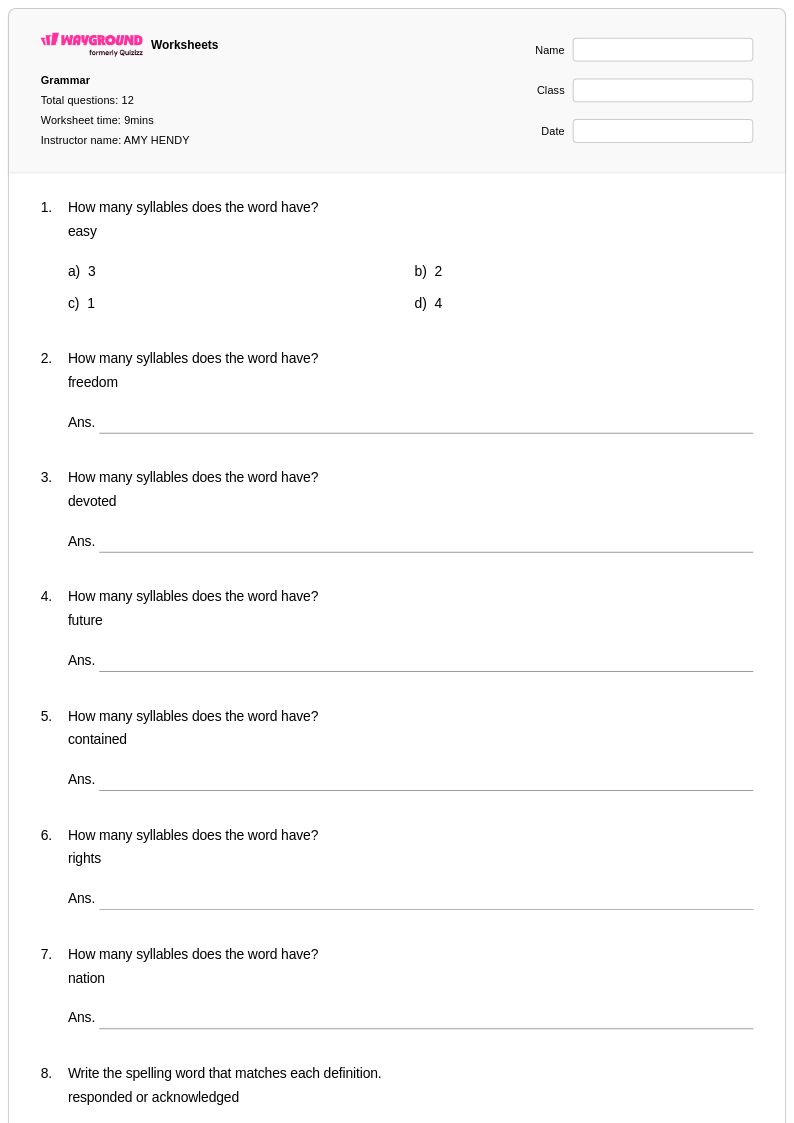
12 Q
1st - 5th
12 Q
1st - 5th
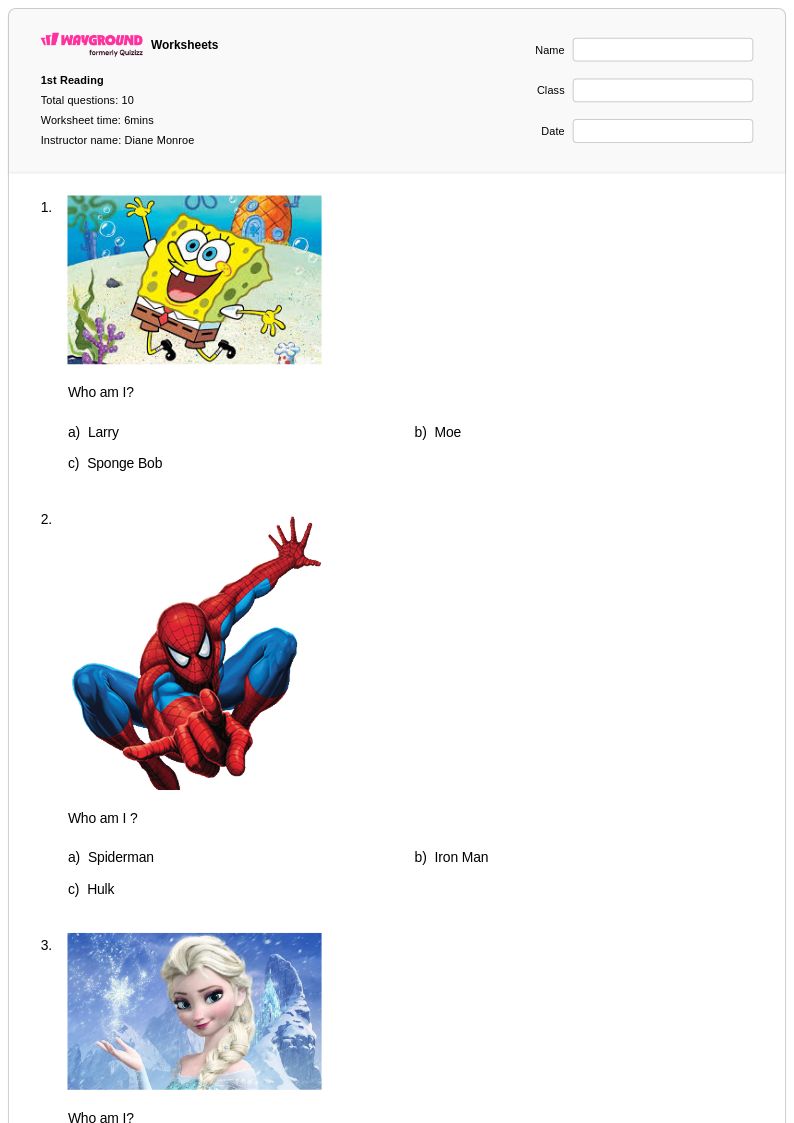
10 Q
KG - 1st
10 Q
KG - 1st
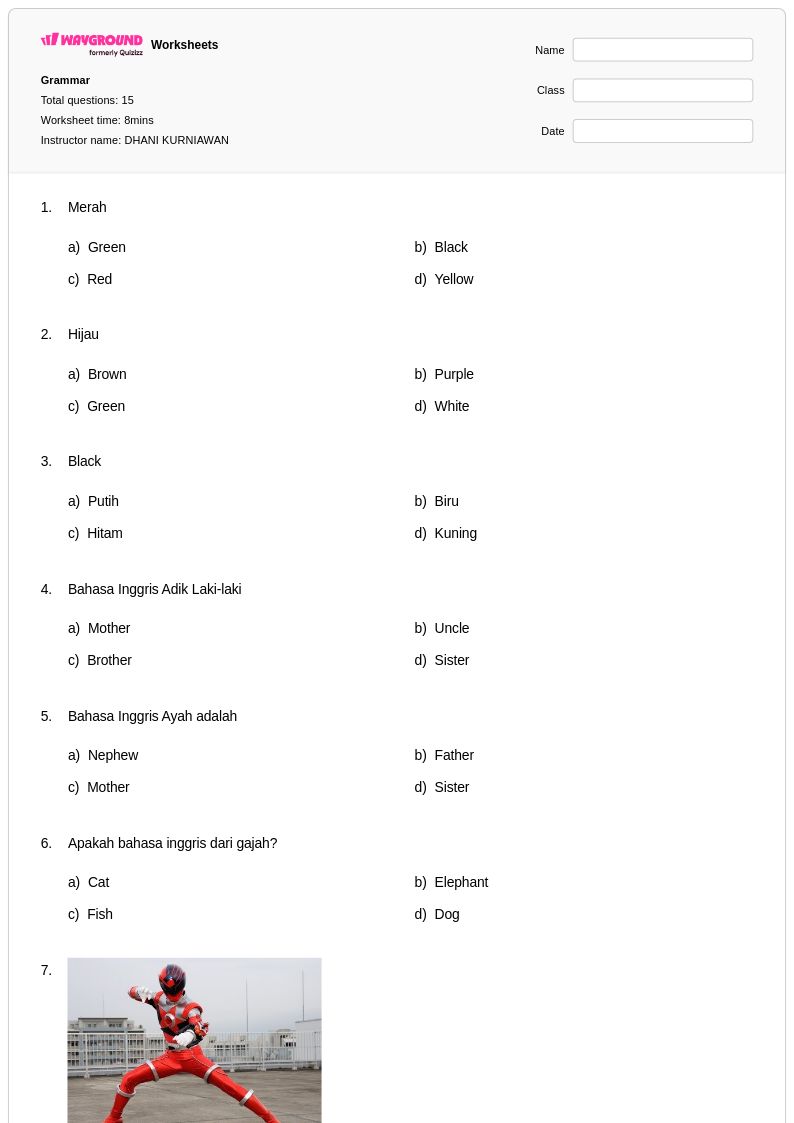
15 Q
1st
15 Q
1st
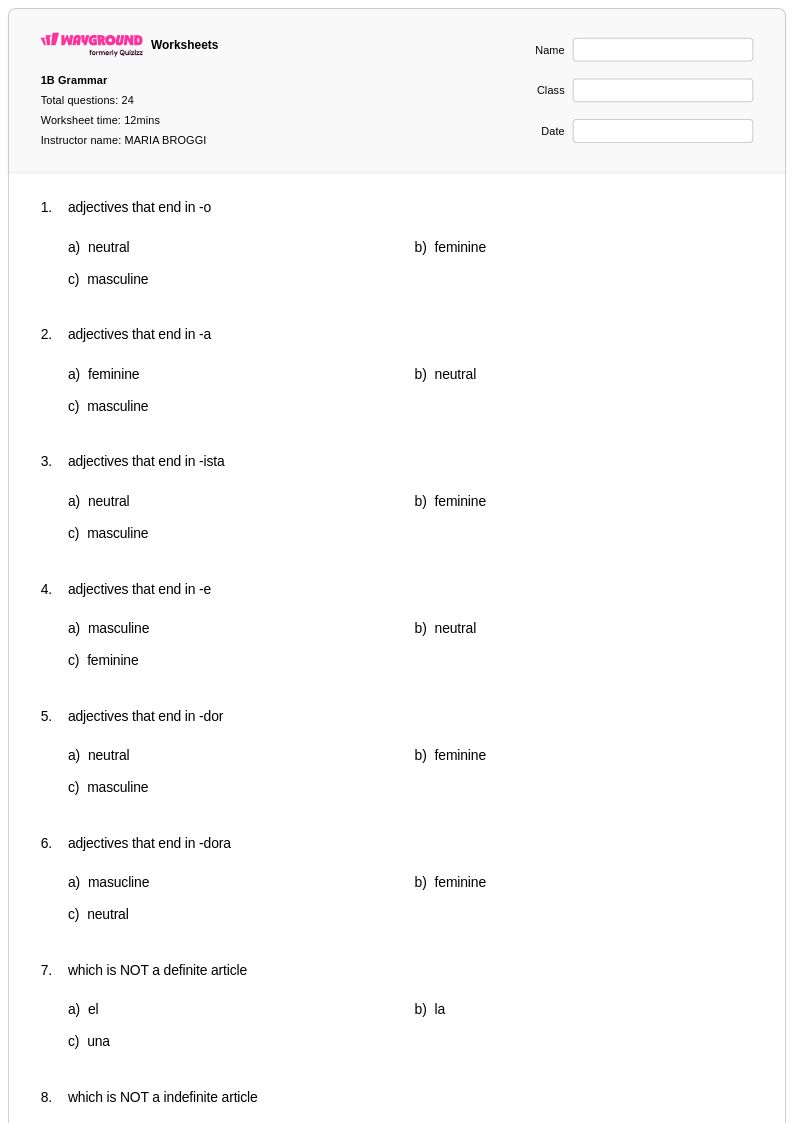
24 Q
1st - 12th
24 Q
1st - 12th
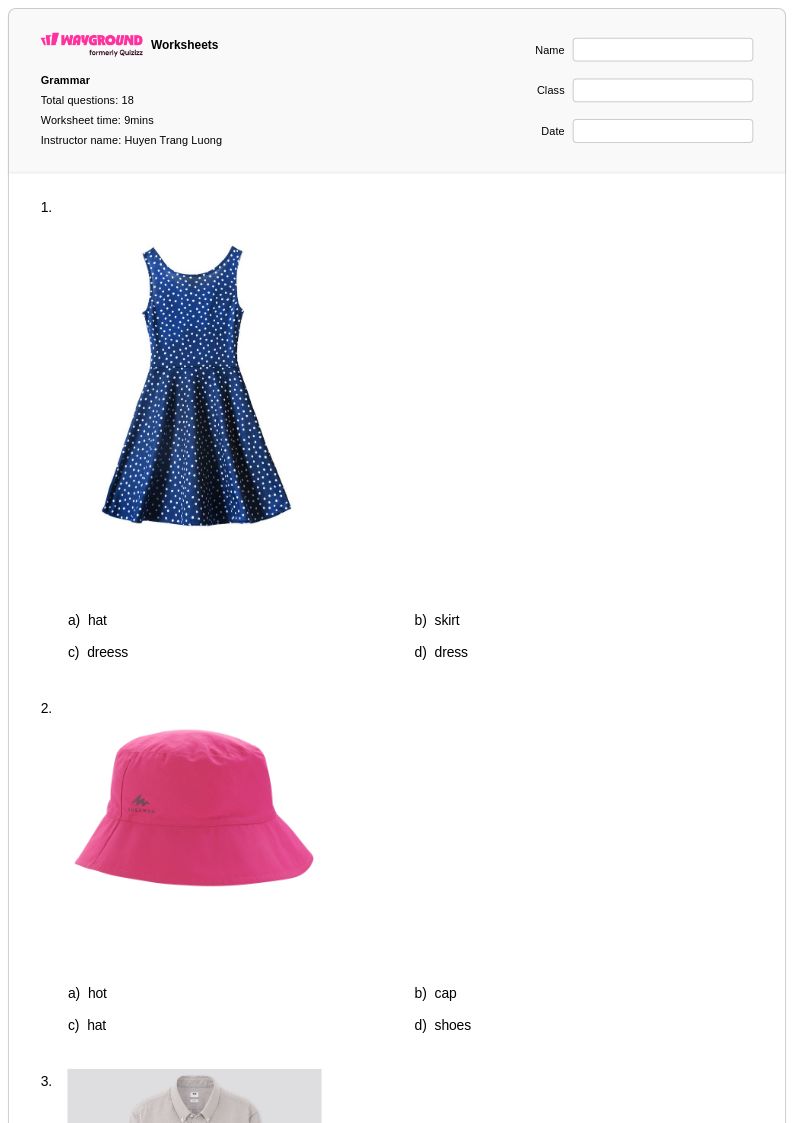
18 Q
1st
18 Q
1st
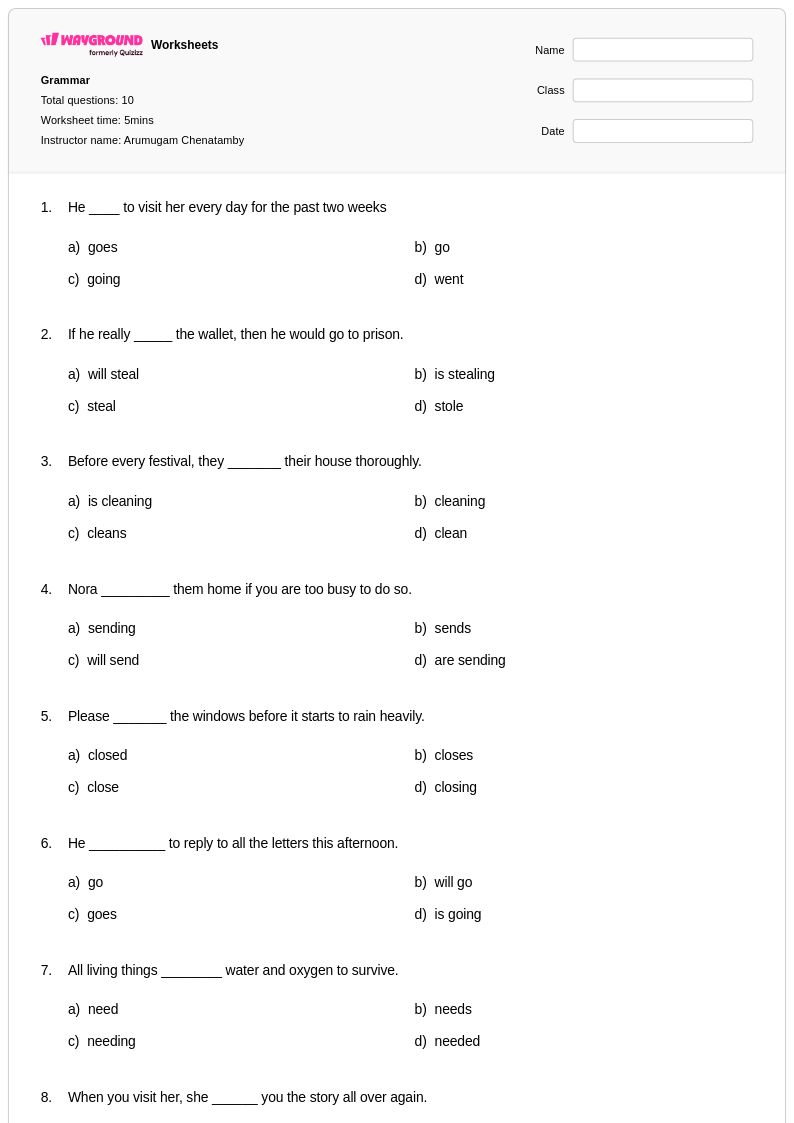
10 Q
1st - PD
10 Q
1st - PD
Explore ELA Worksheets by Grades
Explore ELA Worksheets for class 1 by Topic
Explore Other Subject Worksheets for class 1
Explore printable ELA worksheets for Class 1
Class 1 ELA worksheets available through Wayground (formerly Quizizz) provide comprehensive foundational literacy instruction designed to build essential reading, writing, and language skills for beginning learners. These carefully crafted educational resources target critical first-grade competencies including phonemic awareness, letter recognition, sight word mastery, basic sentence construction, and early comprehension strategies. Each worksheet collection offers structured practice problems that reinforce classroom instruction while allowing students to develop confidence with fundamental literacy concepts at their own pace. Teachers can access these free printables with complete answer keys, making assessment and feedback streamlined and efficient. The pdf format ensures consistent formatting across devices while supporting both independent practice and guided instruction scenarios.
Wayground's extensive library contains millions of teacher-created ELA resources specifically designed for Class 1 learners, offering educators powerful search and filtering capabilities to locate materials that align with specific learning objectives and curriculum standards. The platform's differentiation tools enable teachers to customize worksheets based on individual student needs, supporting both remediation for struggling readers and enrichment opportunities for advanced learners. These versatile resources are available in both printable and digital formats, including downloadable pdfs, allowing for flexible implementation whether teaching in traditional classrooms, hybrid environments, or remote learning settings. This comprehensive approach to skill practice supports effective lesson planning while providing teachers with reliable materials for ongoing assessment, targeted intervention, and systematic literacy development throughout the academic year.
FAQs
How do I teach English Language Arts skills effectively across different grade levels?
What exercises help students practice grammar and writing skills in ELA?
What are the most common mistakes students make in ELA, and how can teachers address them?
How can I differentiate ELA worksheets for students with different learning needs?
How do I use ELA worksheets on Wayground in my classroom?
How do I build critical thinking skills through ELA instruction?