

FOSSILS and the FOSSIL RECORD

Presentation
•
Science
•
7th Grade
•
Practice Problem
•
Medium
+2
Standards-aligned

Roxana Nicolae
Used 175+ times
FREE Resource
7 Slides • 14 Questions
1
FOSSILS and the FOSSIL RECORD

2
PALEONTOLOGY (also spelled palaeontology or palæontology) and PALEONTOLOGISTS
PALEONTOLOGY: Is the scientific study of life in the geologic past, especially through the study of animal and plant fossils
PALEONTOLOGIST: a scientist who specializes in the study of life forms that existed in previous geologic periods

3
4
Multiple Select
5
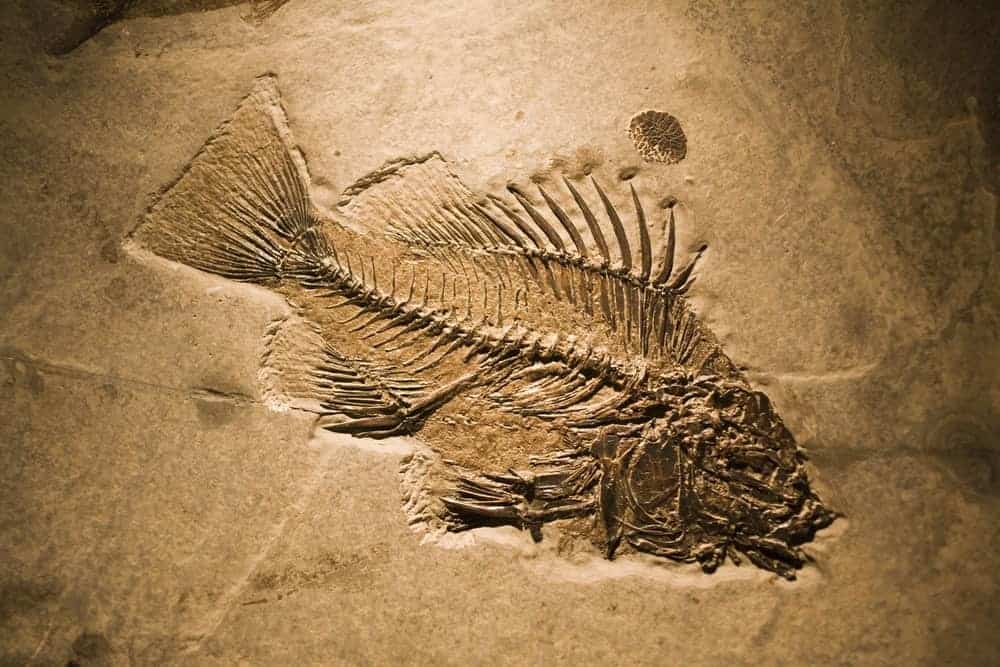
BODY FOSSILS
are the most common type of fossil found across the world.
They are formed from the remains of dead animals and plants.
Most body fossils are of hard parts such as teeth, bones, shells, or woody trunks, branches, and stems.
6
TRACE FOSSILS
are geological records of the activities and behaviors of past life
Some examples include rock evidence of nests, burrows, footprints, and scat (waste, dung)

7
Multiple Choice
8
Multiple Choice
9
Multiple Select

Fossilization that does not alter (change) a specimen, can help to preserve its form and texture.
Some of the ways in which specimens are unaltered are:
10
Multiple Select

Some organisms get altered (transformed) during the fossilization process.
Some methods that alter organisms during fossilization are:
11
Multiple Choice

Limestone is a sedimentary rock that contains many sea fossils.
From here, we know that limestone was formed:
12
Multiple Select

Coal sometimes contains traces of plants.
From here, we know that coal:
13
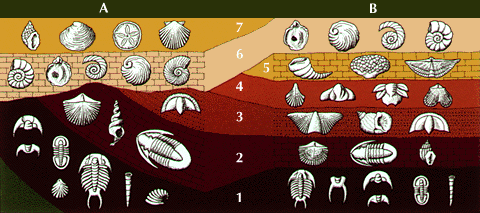
FOSSIL RECORD
there are many types of fossils of plants and animals
they were formed at different times over millions of years
the FOSSIL RECORD is the history of life as documented by fossils in different rocks
the FOSSIL RECORD can tell us when species appeared and disappeared and how species changed over time
14
Multiple Choice

The oldest fossils we have found so far are of simple bacteria. They lived about 3.5 billion years ago.
Looking at the diagram in the picture, can you tell when fish first appeared?
15
Multiple Choice

Look at the diagram.
Which came first: insects or flowering plants?
16
Multiple Choice

We now know that fossils form in sedimentary rock.
Look at the diagram.
What is the LATIN NAME of the oldest species of horse in the fossil record?
17
WHAT CAN FOSSILS TELLS US?
They can tell us:
when animals and plants lived on Earth
what animals and plant lived on Earth
when animals and plants appeared and disappeared
where certain animals and plants lived
whether some organisms if certain organisms died out or not.

18
Open Ended

Flying reptiles called pterosaurs lived between 220 and 65 million years ago.
Fossils show there were many kinds of pterosaurs, some with a wingspan of 10 metres.
Are there any animals alive today that are like pterosaurs?
19
Multiple Choice
The oldest fossils we have found so far are of simple bacteria. They lived about 3.5 billion years ago.
Looking at the diagram in the picture, can you tell when fish first appeared?
20
Open Ended
21
Open Ended
FOSSILS and the FOSSIL RECORD
Show answer
Auto Play
Slide 1 / 21
SLIDE


