Physical and Chemical Change
Presentation
•
Science
•
8th Grade
•
Medium
+19
Standards-aligned
Garfield Baker
Used 17+ times
FREE Resource
24 Slides • 43 Questions
1
Physical and Chemical Change
​

2
Multiple Choice
What is this paper?
Element
Molecule
Compound
Mixture
3
Paper is a compound made up of Carbon, Hydrogen and Oxygen
C6H10O5
4
Open Ended
What are some characteristics of this sheet of paper?
5
White
Flat
Square
It is a solid
It has a low density
It is thin
6
Because we do not have to change the CHEMICAL makeup of the paper to observe these properties they are termed PHYSICAL Properties
7
Multiple Choice
Physical Properties are
properties that can only be observed by the eyes
properties that can only be measured
properties that describe how a substance changes into a completely new substance
properties that can be observed without changing the identity of the substance
8
Examples of Physical Properties
Mass
Density : Mass/ Volume
Color
Elasticity : Ability to stretch
Ductility : Ability to be made into wires
Malleability : The ability to change shape
Transparency and Opaque
9
Multiple Choice
An example of a physical property is
the ability to rust
flammability
acidity
color
10
Multiple Choice
Which of these is a physical property?
color
weight
volume
all of the above
11
Multiple Choice
Physical state
Insulators
Physical Properties
Inferences
12
Multiple Choice
A characteristic that can be observed or measured such as color, state, or hardness is referred to as a...
Physical property
Chemical property
Physical change
Chemical change
13
Open Ended
Give an example of a Physical Property
14
Fill in the Blank
Because we do not have to change the chemical makeup of the paper to observe these properties they are termed ________________Properties
15
Open Ended
Do you believe that the chemical makeup of the paper will change if torn into pieces?
16
Since the paper chemical makeup has not been altered means it has gone through a Physical Change
17
A Physical change is one where the appearance of the substance is altered but the chemical makeup of the substance does not change
18
Examples of Physical Changes
Ice melting , freezing (Phase Change)
Crushing a can
Boiling Water
Mixing salt and water
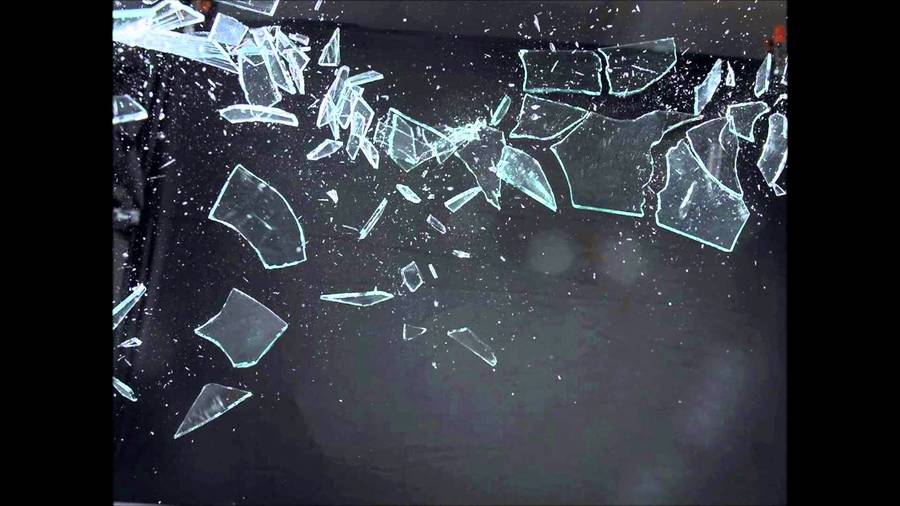
Glass Breaking
19
Breaking Glass
Still glass just smaller pieces
Shredding paper
Still paper just smaller pieces
Melting Ice
Still water just in a different state ( Liquid)
Evaporation
Still water just in a diferent state ( Gas)
20
Multiple Choice
A physical change is
a change where the characteristics do not change the substance
a change where the characteristics do change the substance
a change where the chemistry changes
21
Multiple Choice
In physical change , the substance formed has different properties than the original substance.
True
False
22
Multiple Choice
Which of the following is a example of physical change ?
burning of wood
photosynthesis
melting of ice-cream
ripening of fruit
23
Multiple Choice
Chemical or Physical? Glass breaking into tiny shards
Chemical Change
Physical Change
24
Multiple Choice
Any change in the state of matter of a substance is a...
Physical Change
Chemical Change
25
Multiple Choice
A change that alters the physical properties of a substance without changing its composition.
Physical Change
Chemical Change
26
Multiple Choice
Evidence of a physical change.
New substance
Shape Change
Light produced
Gas released.
27
Open Ended
Give an example of a Physical Change
28
Open Ended
Do you believe this piece of paper can be burnt?
29
Open Ended
Did the elements in the paper change by burning it? Can it be returned to its former state ,Why? or Why Not?
30
When the paper was burned it turned to ash and became lighter. Carbon Dioxide and water is given off in the smoke .
The chemical composition is changed
31
Burning is a Chemical property which resulted in a Chemical change where the chemical makes up in the paper changed and it is irreversible
32
Ex. of Chemical Properties
Flammability : Can be burned
Rusting : Iron and Oxygen interacting
Reactivity with Vinegar
Toxicity : Poisoning of cells
Acidity
33
The ability to be burnt
Flamablity
Metal reacting with oxygen and water
Rusting
Reactivity with Acid
34
The ability to erode or eat away
Corrosivity
The quality of being poisonous
Toxicity
35
Chemical Change
A chemical change occurs when a chemical reaction takes place where bonds are broken and new bonds are formed.
36
Chemical Reaction
- A CHEMICAL REACTION results in CHEMICAL CHANGE
- A chemical reaction is where one or more substance reacts forming a new substance
37
The breaking and forming of new bonds results in the formation new substances
The chemical makeup of the new substance is different from the original one
What remains as ash may be calcium, magnesium, potassium, and phosphorus
38
Burning of paper
Rusting of Pennies
Fried Egg
Firework Exploding
Digestion of food
Reaction with Acids
Respiration
39
Substance used is CHANGED. It is irreversible
Fireworks
The make up of the egg is CHANGED. The change is irrevesible
Frying Egg
The banana's composition is CHANGED .
The change is irrevesible
Rotten Banana
The food that we eat is CHANGED in our digestive system. The chamge is irreversible
Digestion
40
Fill in the Blank
A chemical change occurs when a ______________ takes place where bonds are broken and new bonds are formed.
41
Multiple Choice
When a new substance is formed with different properties than the original substance it is called a...
Chemical change
Physical change
Change in State
Change in appearance only.
42
Multiple Choice
Which type of change are irreversible?
Chemical Changes
Physical Changes
Changes in State
Changes in Temperature
43
Multiple Choice
If the chemical properties of a substance remain unchanged & the appearance or shape of an substance changes it is a...
Chemical Change
Physical Change
Both a physical and chemical change.
Neither a physical or chemical change.
44
Multiple Choice
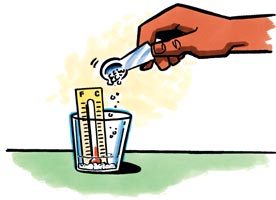
Identify what type of change happening in the picture below...
Chemical Change
Physical Change
Endothermic Reaction
Exothermic Reaction
45
Multiple Choice
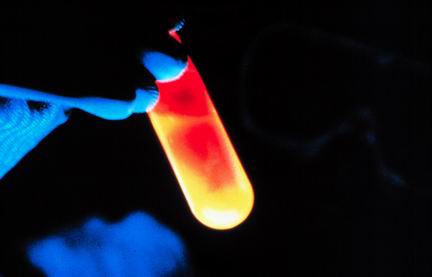
Identify what type of change happening in the picture below...
Chemical Change
Physical Change
Endothermic Reaction
Exothermic Reaction
46
Multiple Choice
What does a chemical change result in?
A change in state of the substance (ex. liquid to solid)
A change in texture of the substance.
A change in the way atoms are bonded to each other.
A change in the appearance of the substance.
47
Match
Match the following
Change of State
Acidity
water evaporating
Paper torn into small pieces
Physical
Chemical
Physical
Physical
Physical
Chemical
Physical
Physical
48
Drag and Drop
The
49
Draw
Place checks beside the properties which are Chemical properties and X beside Physical properties
50
Open Ended
What are some signs that a chemical is taking place ?
51
Evidence of Chemical Change
Color
Formation of gases
Precipitate
Temperature Change
52
Color change in Chemical Reaction
53
Formation of gases
Oxygen given off will relit a glowing flint
Carbon Dioxide production will put out flame
Hydrogen production will produce a popping sound with a glowing flint
54
Precipitation
A precipitate is an insoluble compound formed when two substances react
55
Temperature change
When heat is given off it is called an Exothermic Reaction
Reaction will feel warm to the touch
When heat is absorbed it is called Endothermic Reaction
Reaction will feel cold to the touch
56
Multiple Choice
If a chemical reaction is EXOTHERMIC, the temperature would....
Stay the same
Increase
Decrease
57
Multiple Choice
Is photosynthesis an exothermic or endothermic reaction?
Endothermic
Exothermic
Neither
58
Multiple Choice
Exothermic reactions...
Absorb energy
Release energy
Release Color
Absorb Color
59
Multiple Choice
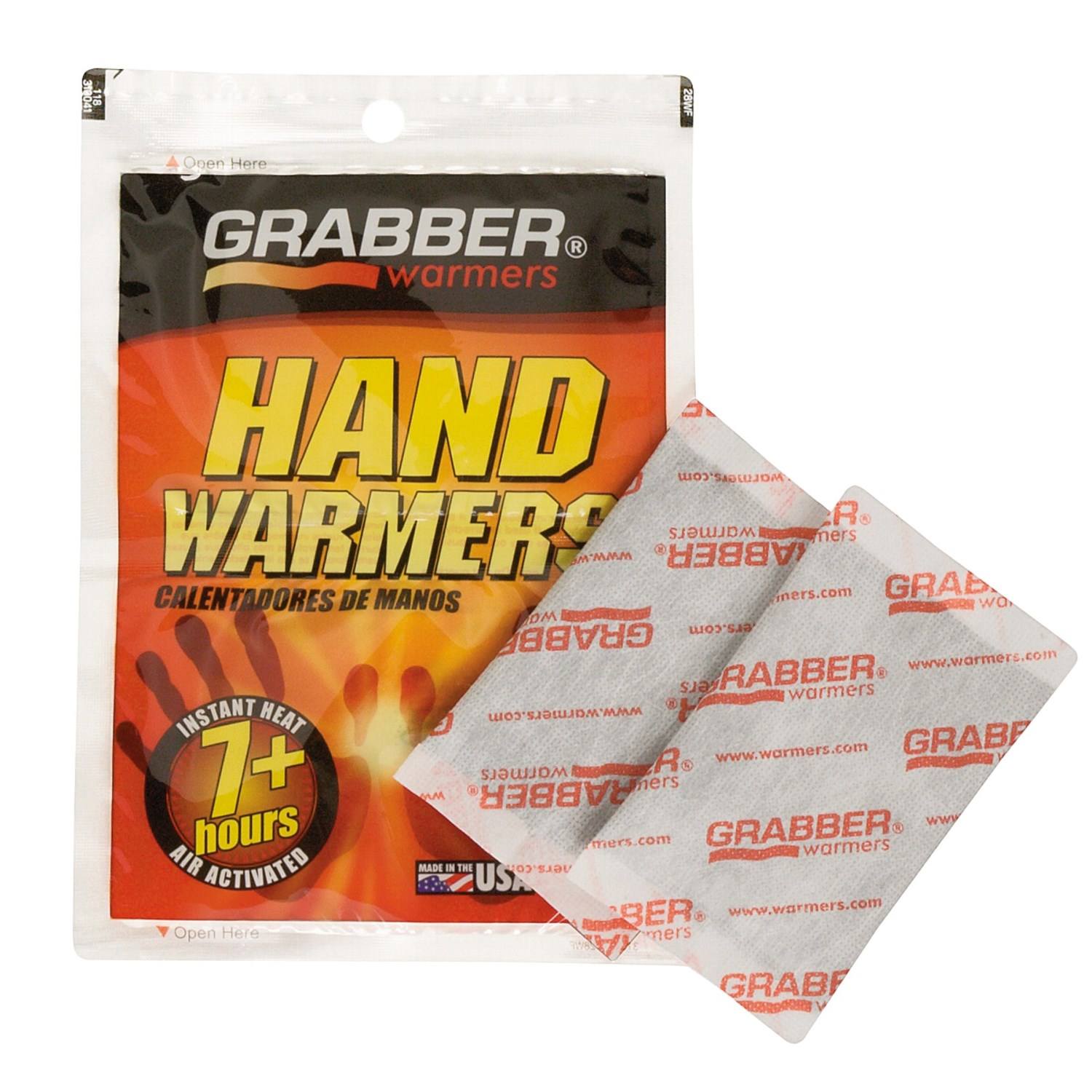
What type of reaction occurs in a hand warmer
exothermic
endothermic
60
Multiple Choice
In an endothermic reaction, heat is ...
taken in or absorbed
given out or released
61
Multiple Choice
Which of the following is a chemical change?
water freezes to form ice
sugar dissolves in water
wood burns in a campfire
a piece of metal expands when heated
62
Multiple Choice
Which of the following describes a precipitate?
a liquid forms when a block of metal is heated
a solid forms when one liquid is poured into another
a gas forms when a solid is placed in a liquid
bubbles form when an acid is poured on a rock
63
Multiple Choice
One of the signs of a chemical reaction taking place is:
Bubbles are produced
Reactants are not combining
Products are not forming
Color is not changing
64
Multiple Choice
Evidence of a chemical reactions is anything that shows -
a new substance has formed
a solid dissolved in a liquid
interaction between 2 gases
a change in the state of matter
65
Multiple Choice
Digesting your food is an example of
chemical change
physical change
66
Multiple Choice
Which of the following is NOT evidence that that a chemical reaction has occurred?
produces light/heat
production of a gas
formation of a precipitate
melting
67
Multiple Choice
Which of the following is NOT evidence that that a chemical reaction has occurred?
produces light/heat
production of a gas
formation of a precipitate
melting
Physical and Chemical Change
​

Show answer
Auto Play
Slide 1 / 67
SLIDE

Similar Resources on Wayground
63 questions
Chemistry Review
Lesson
•
8th Grade
65 questions
Friday 3/15: Intro to Natural Selection
Lesson
•
8th Grade
61 questions
Climate Zones
Lesson
•
7th Grade
65 questions
Motion Graphs, practice 2024
Lesson
•
8th Grade
60 questions
Components of the Universe
Lesson
•
8th Grade
63 questions
Carew-7.7 D Newton's 1st Law, Balanced & Unbalanced Forces Notes
Lesson
•
8th Grade
62 questions
Leap Science Review
Lesson
•
8th Grade
63 questions
Middle School Chemistry Review
Lesson
•
8th Grade
Popular Resources on Wayground
15 questions
Fractions on a Number Line
Quiz
•
3rd Grade
14 questions
Boundaries & Healthy Relationships
Lesson
•
6th - 8th Grade
13 questions
SMS Cafeteria Expectations Quiz
Quiz
•
6th - 8th Grade
20 questions
Equivalent Fractions
Quiz
•
3rd Grade
25 questions
Multiplication Facts
Quiz
•
5th Grade
12 questions
SMS Restroom Expectations Quiz
Quiz
•
6th - 8th Grade
20 questions
Main Idea and Details
Quiz
•
5th Grade
10 questions
Pi Day Trivia!
Quiz
•
6th - 9th Grade
Discover more resources for Science
20 questions
Cell Organelles and Functions
Quiz
•
6th - 8th Grade
10 questions
Exploring the Layers of the Earth
Interactive video
•
6th - 10th Grade
21 questions
Waves and Wave Properties
Quiz
•
6th - 8th Grade
20 questions
Newton's Laws of Motion
Quiz
•
8th Grade
20 questions
Heredity Punnett square review
Quiz
•
8th Grade
13 questions
Plate Tectonics and Earth's Structure
Lesson
•
6th - 8th Grade
16 questions
Pedigree
Quiz
•
8th Grade
10 questions
Exploring Heat Transfer: Conduction, Convection, and Radiation
Interactive video
•
6th - 8th Grade