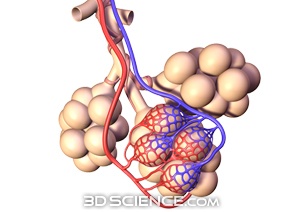
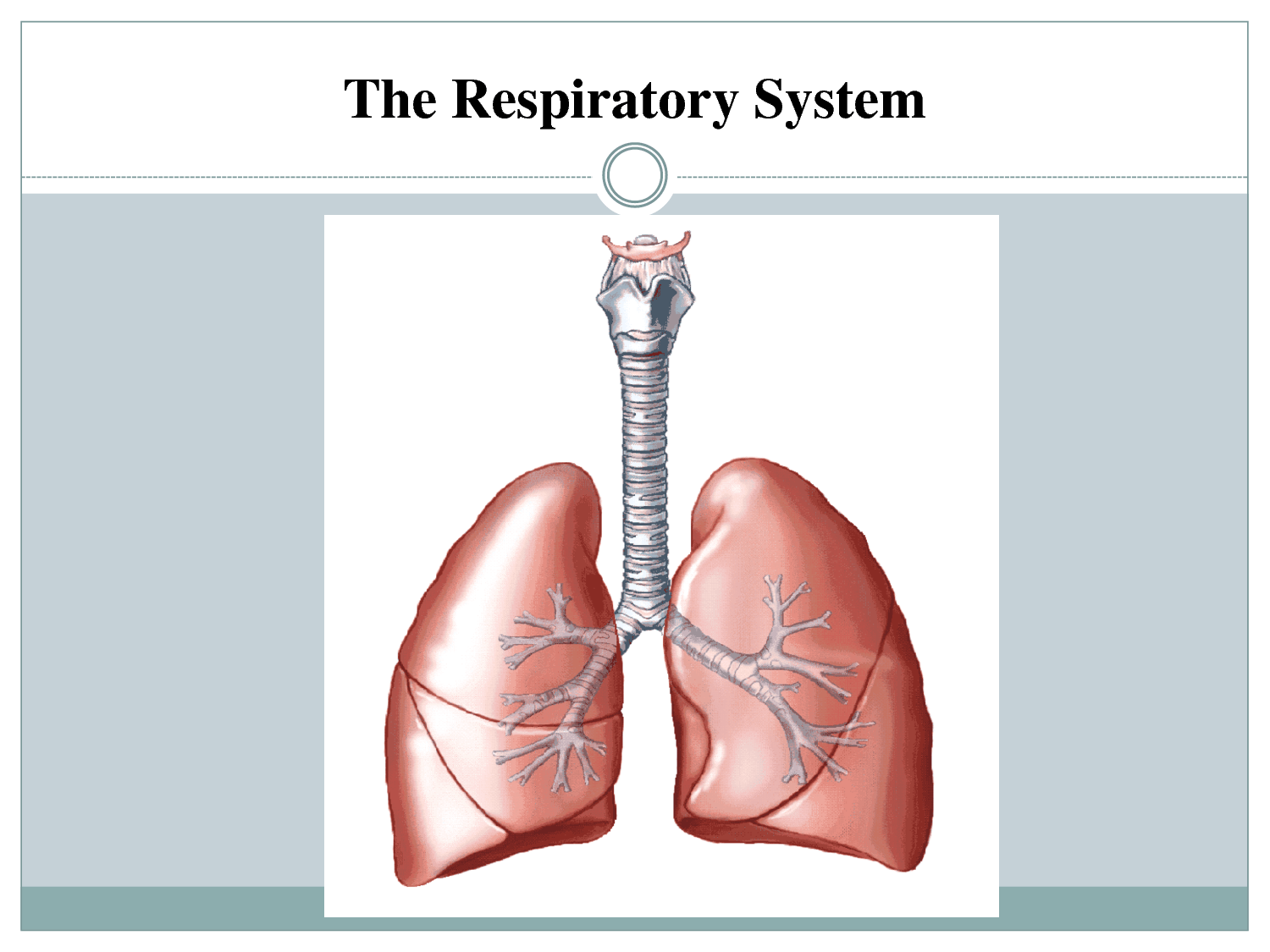
Body Systems Review for PMA
Presentation
•
Science
•
7th - 9th Grade
•
Medium
+11
Standards-aligned
Used 17+ times
FREE Resource
10 Slides • 56 Questions
1
Body Systems Review for PMA
2
3
Multiple Choice
What makes up the Central Nervous System?
Blood and Heart
Spinal Cord
Nerves
Brain and Spinal Cord
4
Multiple Choice
What kind of cells make up the nervous system?
Plasma
Neurons
Blood Vessels
Spinal Cord
5
Multiple Select
What are the senses that the nervous system receives messages from? (mark all that apply)
Vision
Hearing
Smell
Taste
Touch
6
Multiple Choice
What is considered the command center of the nervous system?
Neurons
Heart
Spinal Cord
Brain
7
Multiple Choice
What are the 3 mains parts of the Nervous System
Brain, heart, blood vessels
Blood Vessels, spinal cord, blood
Brain, Spinal Cord, Neurons
Heart, blood vessels, and blood
8
Multiple Choice
What does the nervous system do?
Pumps blood from your heart to your body
Carries messages back and forth between your brand and the rest of your body
Breaks up food
Secrete hormones.
9
Multiple Choice
10
Multiple Choice
11
Multiple Choice
12
13
Multiple Select
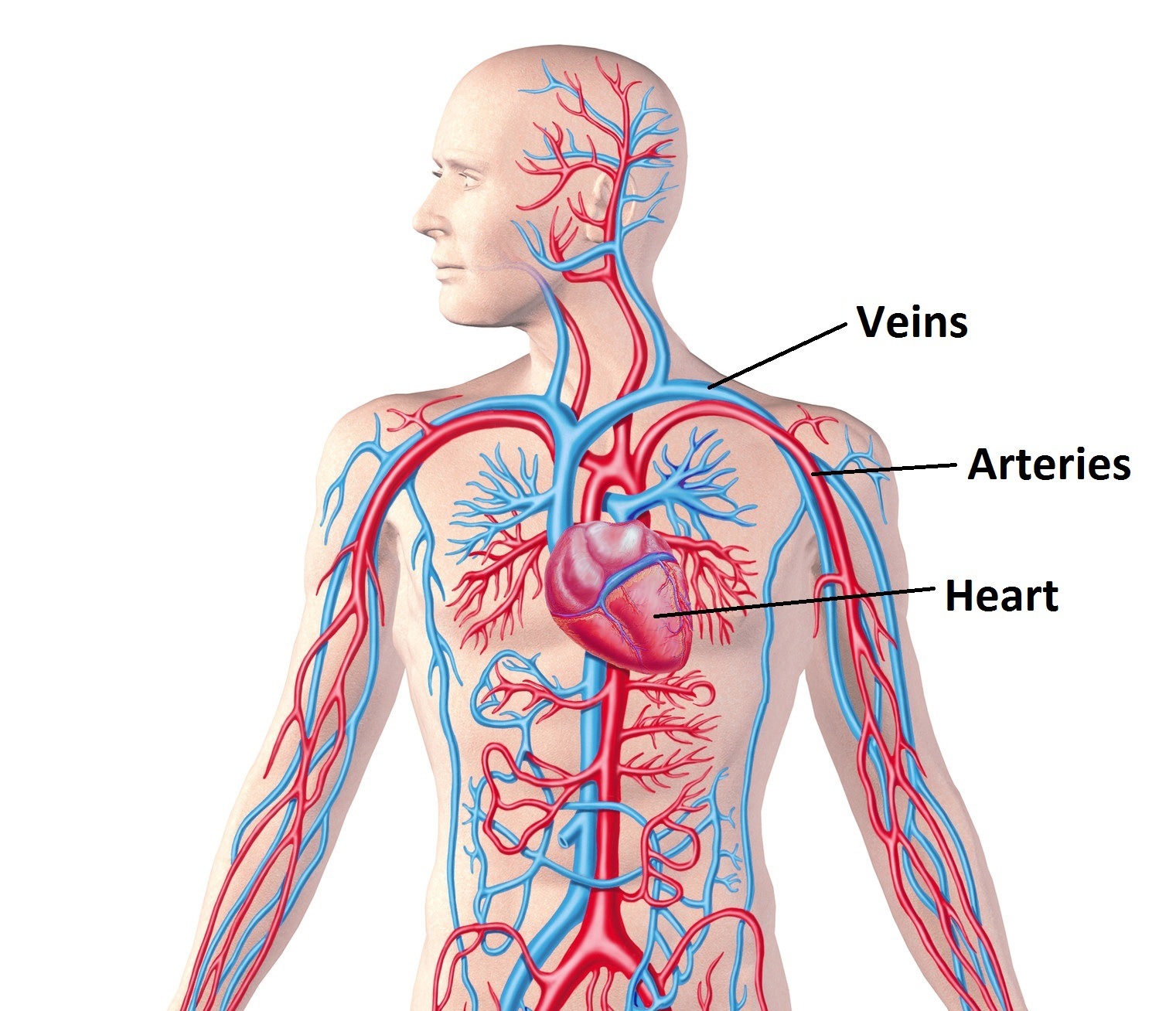
Which of the following does blood help transport throughout the body?
undigested food
Nutrients
Gases (oxygen and carbon dioxide)
hormones like adrenaline
14
Multiple Choice
The circulatory system works with the ___________ system to provide our body with oxygen.
respiratory
digestive
muscular
15
Multiple Choice
The circulatory system works with the __________ system to obtain energy from nutrients that we eat.
respiratory
digestive
skeletal
nervous
16
Multiple Choice
The cells in the blood that help fight germs like bacteria and viruses
red blood cells
platelets
white blood cells
17
Multiple Choice
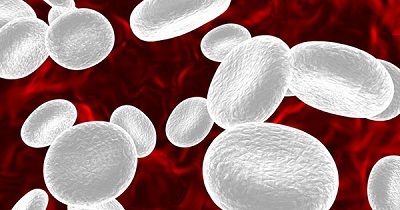
These cells, in the blood, carry oxygen and give the blood its color.
white blood cells
plasma
platelets
red blood cells
18
Multiple Choice
Which describes all the parts of the circulatory system?
heart, lungs, stomach, muscles
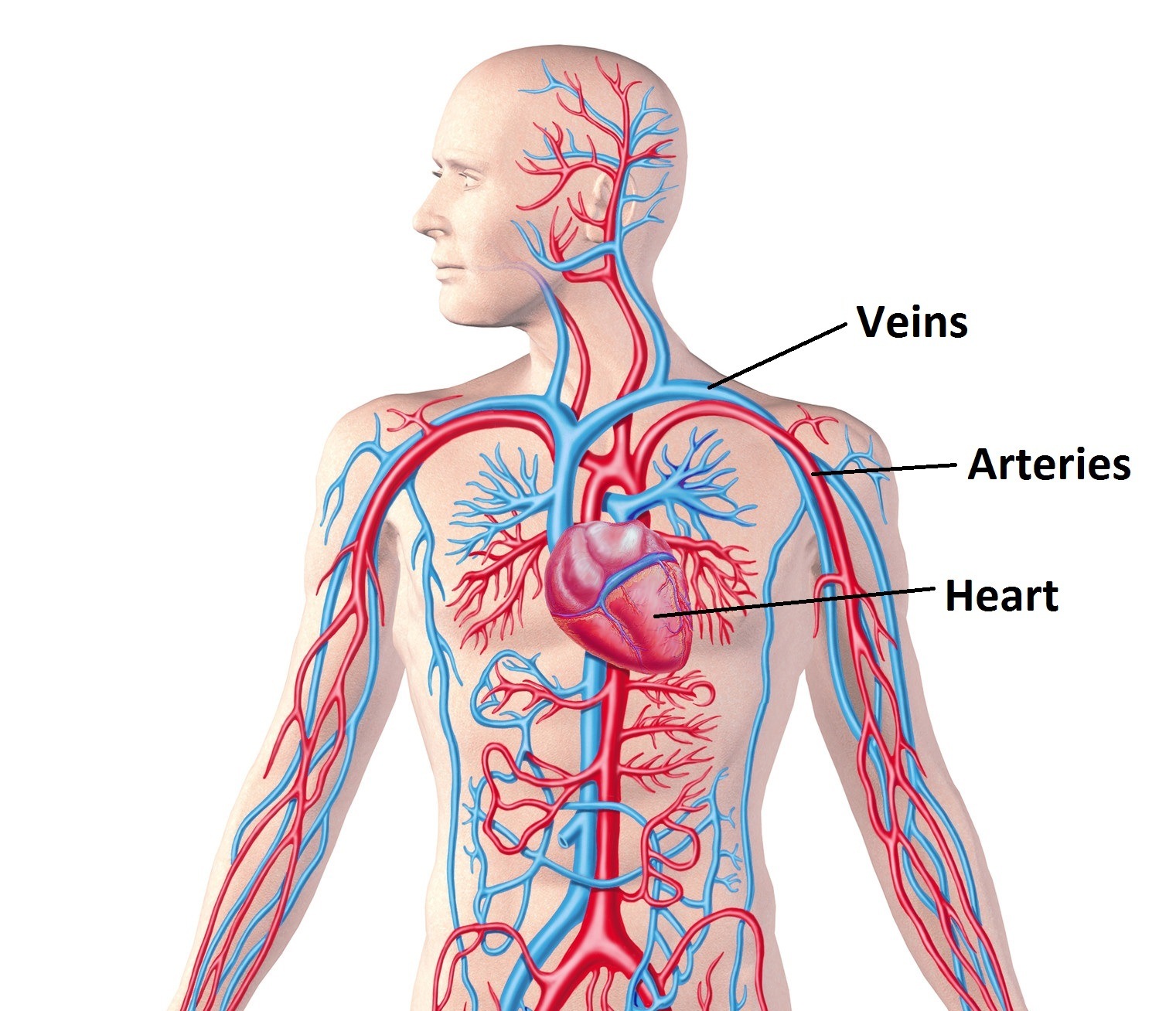
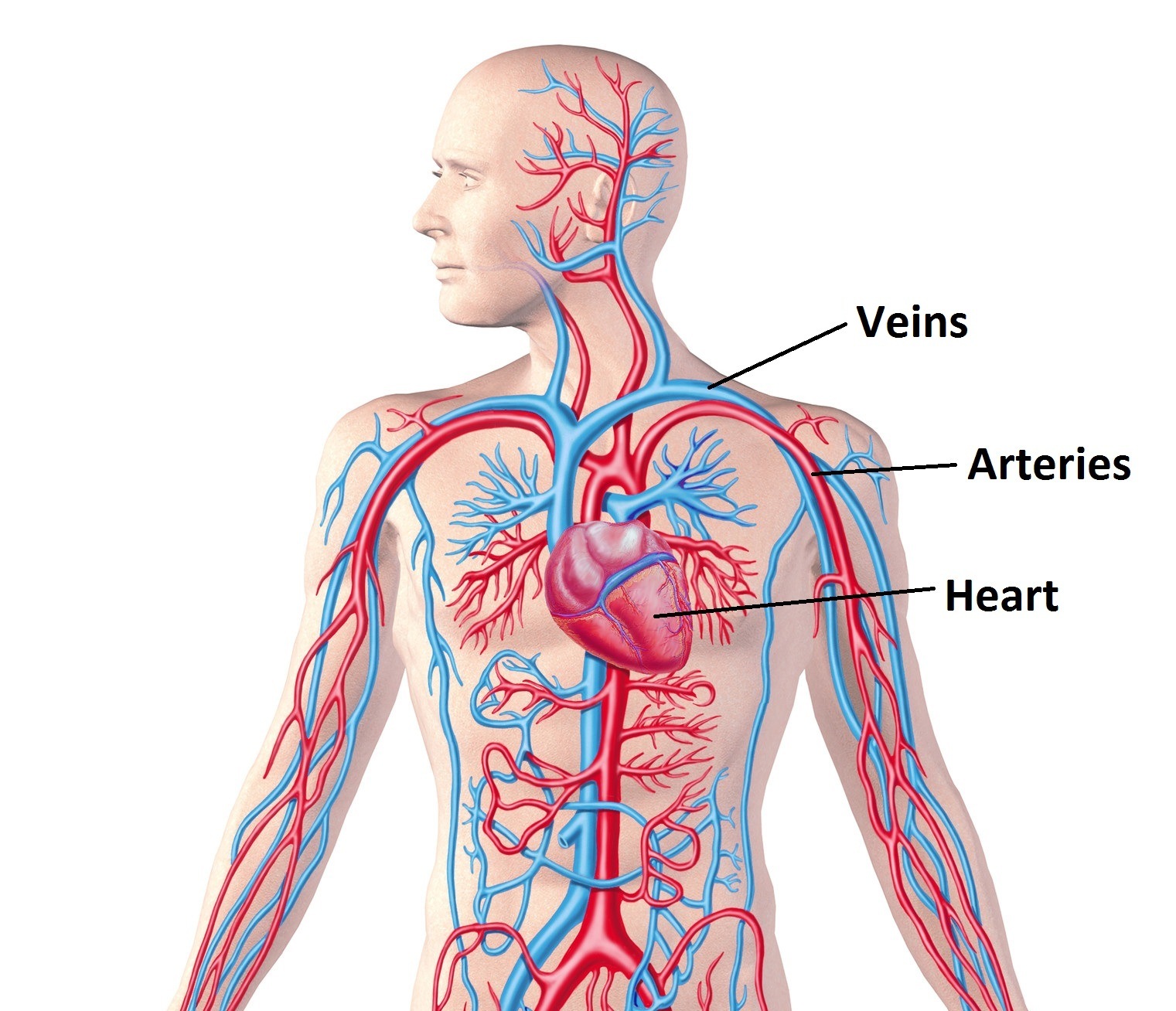
heart, blood, arteries, and veins
bones, skin, hair
19
Multiple Choice
Your heart is a _____________.
tube
muscle
vein
20
21
Multiple Select
Name 2 Systems: When you are running, you use these two systems to take in oxygen and then transport it to rest of your cells.
Circulatory
Respiratory
Digestive
Immune
Excretory
22
Multiple Choice
The circulatory system works with the ___________ system to provide our body with oxygen and get rid of CO2 (carbon dioxide).
respiratory
digestive
muscular
skeletal
23
Multiple Choice
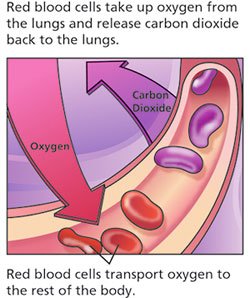
What type of cells carry oxygen in the blood?
red blood cells
white blood cells
24
Multiple Choice
25
Multiple Choice
What are the main organs of the respiratory system that allow us to breathe and for gas exchange to happen?
diapragm
lungs
trachea
26
Multiple Choice
What is the main function of the respiratory system?
to provide oxygen and remove carbon dioxide from the body
o break down food and absorb nutrients
to remove oxygen from the body and deliver carbon dioxide
27
Multiple Choice
28
29
Multiple Choice
30
Multiple Choice
31
Multiple Choice
32
Multiple Choice
33
Multiple Choice
34
Multiple Choice
35
36
Multiple Choice
Why are the lungs, the major organ of the respiratory system, also considered an excretory organ?
They get rid of carbon dioxide, a cellular waste
They get rid of oxygen, a cellular waste
They get rid of urea, a cellular waste
They get rid of salt, a cellular waste
37
Multiple Choice
Which two systems interact so the kidneys filter cellular waste out of blood for removal?
circulatory and endocrine
respiratory and circulatory
digestive and respiratory
circulatory and excretory
38
Multiple Choice
39
Multiple Choice
40
Multiple Choice
41
Multiple Choice
What is the main function of the excretory system?
to collect and remove wastes from the body
to strengthen skeletal muscles
to protect the nervous system
to bring oxygen to body cells
42
43
Multiple Choice
What 2 systems: Diaphragm controls breathing
Circulatory and Endocrine
Respiratory and Muscular
Muscular and Skeletal
Circulatory and Respiratory
44
Multiple Choice
What 2 systems: Allow organs to contract and push food through
Muscular and Skeletal
Excretory and Muscular
Endocrine and Muscular
Muscular and Digestive
45
Multiple Choice
46
Multiple Choice
What 2 systems: Allows for movement
Muscular and Skeletal
Endocrine and Skeletal
Nervous and Circulatory
Integumentary and Reproductive
47
Multiple Choice
48
Multiple Choice
49
50
Multiple Choice
How do the skeletal and circulatory systems relate to each other?
Bone marrow produces blood.
The heart is made of cardiac muscle tissue.
The heart is held in place in the chest by ligaments.
The blood brings carbon dioxide and glucose to the cells of the bones.
51
Multiple Choice
The ________ is a set of bones in your chest that protects your heart & lungs.
skull
ribcage
femur
52
Multiple Choice
Your skeleton
supports & shapes the body
works with muscles to help you move
helps protect important organs
makes blood
all of the above
53
54
Multiple Choice
A ___________ is formed when fertilization occurs.
embryo
zygote
fetus
sperm
55
Multiple Choice
In order for a female to reproduce, she must release an egg for fertilization. Which two systems are involved in this process?
Nervous and Endocrine
Reproductive and Endocrine
Muscular and Circulatory
Skeletal and Digestive
56
Multiple Choice
What do the digestive system and reproductive system have in common?
Both provide support
Both involve transport
Both are made of tissues and organs
Both maintain homeostasis and response
57
58
Multiple Choice
What role does our circulatory system have with regards to fighting infection?
circulates white blood cells to lymph to fight infection
circulates red blood cells and white blood cells to fight infection
circulates lymph and red blood cells to fight infection
59
Multiple Choice
Where are white blood cells made?
Bone marrow
Red Blood Cells
Heart
Veins
60
Multiple Choice
One of the most important functions of the skin is to
carry food to body cells.
protect the body.
help the body move.
let food into the body.
61
Multiple Choice
62
Multiple Choice
63
Multiple Choice
64
Multiple Choice
Which body systems would involve white blood cells and proteins
Circulatory and Muscular
Skeletal and Endocrine
Immune and Digestive
Nervous and Endocrine
65
Multiple Choice
You become sick with strep throat. How does your body respond in order to help fight the pathogen?
Digestive system will eat the bacteria
Your circulatory system makes red blood cells to kill the bacteria
Your immune system sends white blood cells to attack the bacteria
You become thirsty and drink more water to help the excretory system get rid of the bacteria
66
Multiple Choice
When you eat food, a hormone is secreted by the pancreas to control the amount of sugar or glucose levels in your blood, called insulin. What systems work together to produce and transport this hormone?
Digestive and Nervous
Circulatory and Endocrine
Immune and Endocrine
Muscular and Nervous
Body Systems Review for PMA

Show answer
Auto Play
Slide 1 / 66
SLIDE

Similar Resources on Wayground
57 questions
Producers, Consumers, Decomposers, Detritivores
Lesson
•
6th - 8th Grade
62 questions
Plasma Globes ~ How Do They Work?
Lesson
•
8th Grade
59 questions
Discrete and Continuous graphs
Lesson
•
7th - 10th Grade
61 questions
Industrial Revolution
Lesson
•
6th - 8th Grade
56 questions
Fossils
Lesson
•
8th Grade
66 questions
Waves Review
Lesson
•
7th - 9th Grade
62 questions
The Periodic Table
Lesson
•
8th Grade
58 questions
Food and our Health
Lesson
•
8th Grade
Popular Resources on Wayground
15 questions
Fractions on a Number Line
Quiz
•
3rd Grade
14 questions
Boundaries & Healthy Relationships
Lesson
•
6th - 8th Grade
13 questions
SMS Cafeteria Expectations Quiz
Quiz
•
6th - 8th Grade
20 questions
Equivalent Fractions
Quiz
•
3rd Grade
25 questions
Multiplication Facts
Quiz
•
5th Grade
12 questions
SMS Restroom Expectations Quiz
Quiz
•
6th - 8th Grade
20 questions
Main Idea and Details
Quiz
•
5th Grade
10 questions
Pi Day Trivia!
Quiz
•
6th - 9th Grade
Discover more resources for Science
20 questions
Cell Organelles and Functions
Quiz
•
6th - 8th Grade
10 questions
Exploring the Layers of the Earth
Interactive video
•
6th - 10th Grade
21 questions
Waves and Wave Properties
Quiz
•
6th - 8th Grade
20 questions
Newton's Laws of Motion
Quiz
•
8th Grade
16 questions
Photosynthesis and Cellular Respiration Review
Quiz
•
7th Grade
20 questions
Heredity Punnett square review
Quiz
•
8th Grade
13 questions
Plate Tectonics and Earth's Structure
Lesson
•
6th - 8th Grade
16 questions
Pedigree
Quiz
•
8th Grade