Free Printable Decoding Words Worksheets for Class 5
Enhance Class 5 students' decoding words skills with Wayground's comprehensive collection of free worksheets, printables, and practice problems featuring letter sounds activities, complete with PDF downloads and answer keys.
Explore printable Decoding Words worksheets for Class 5
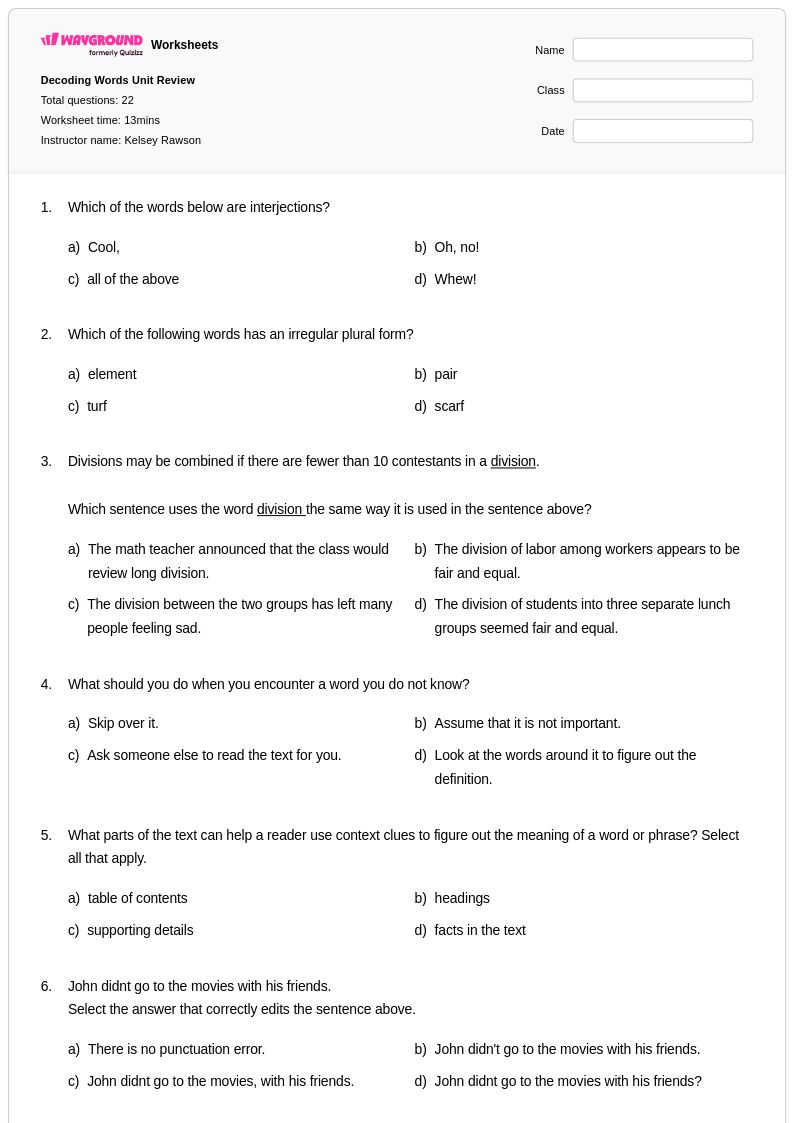
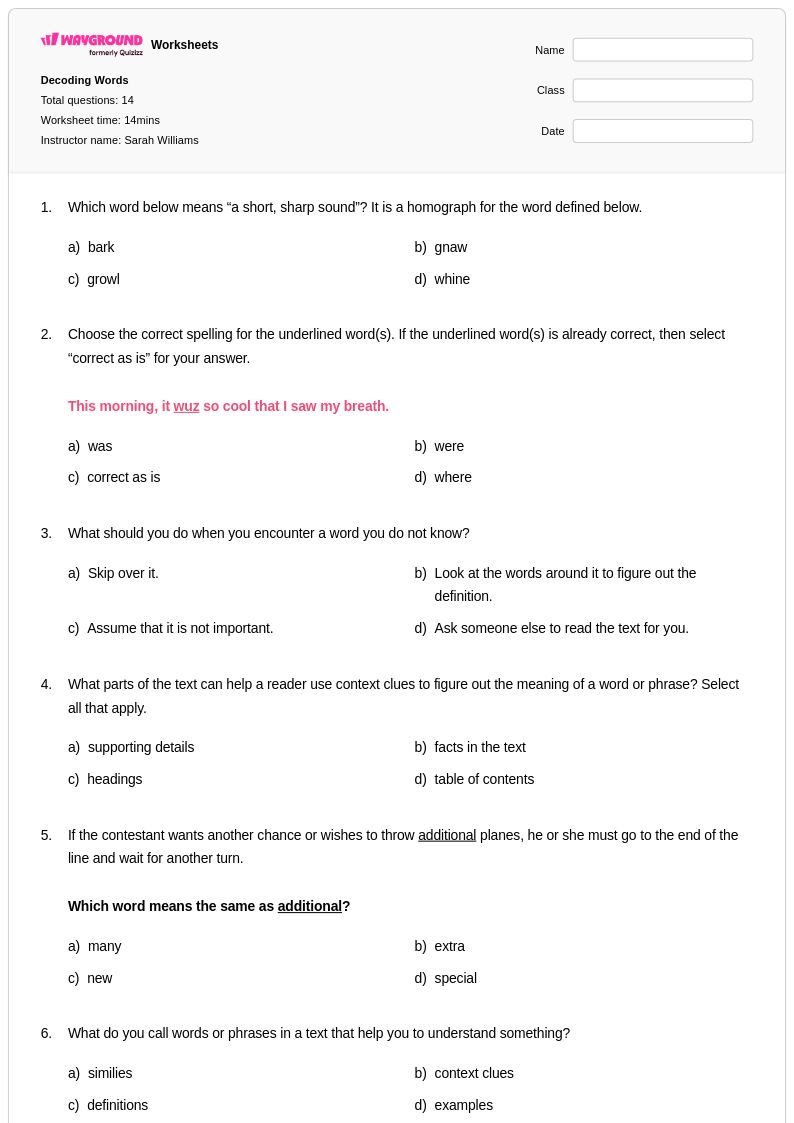
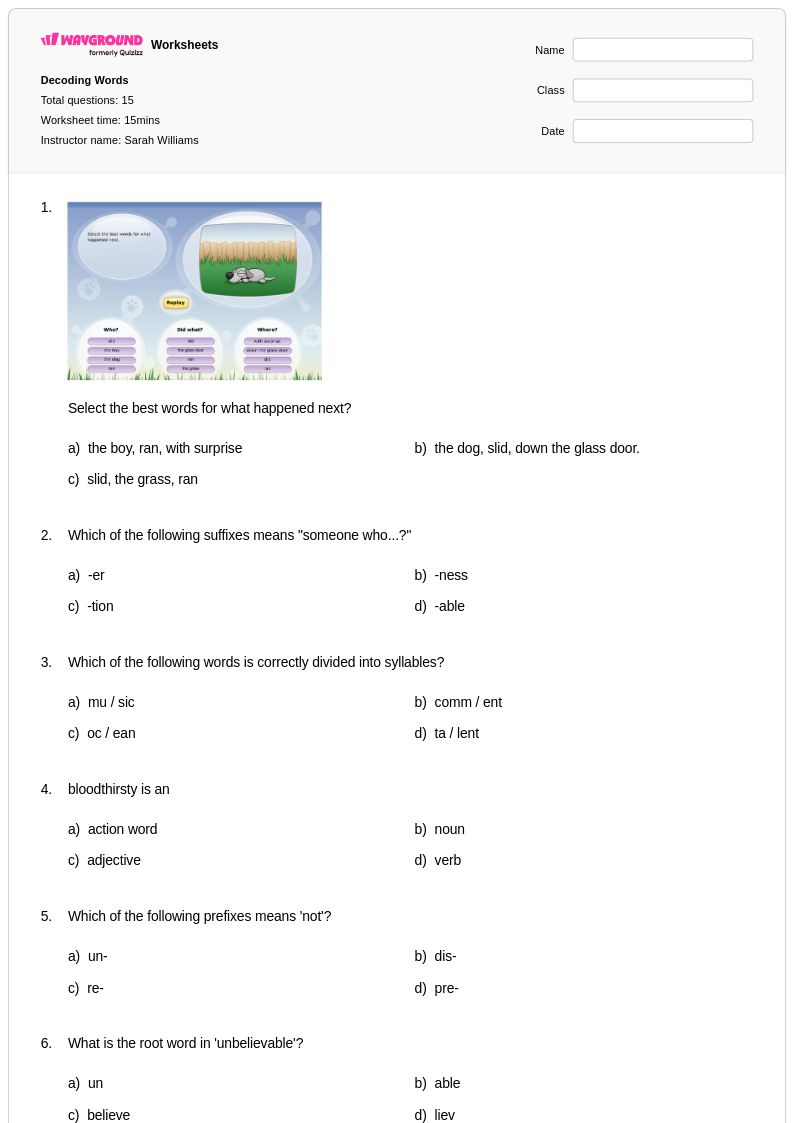
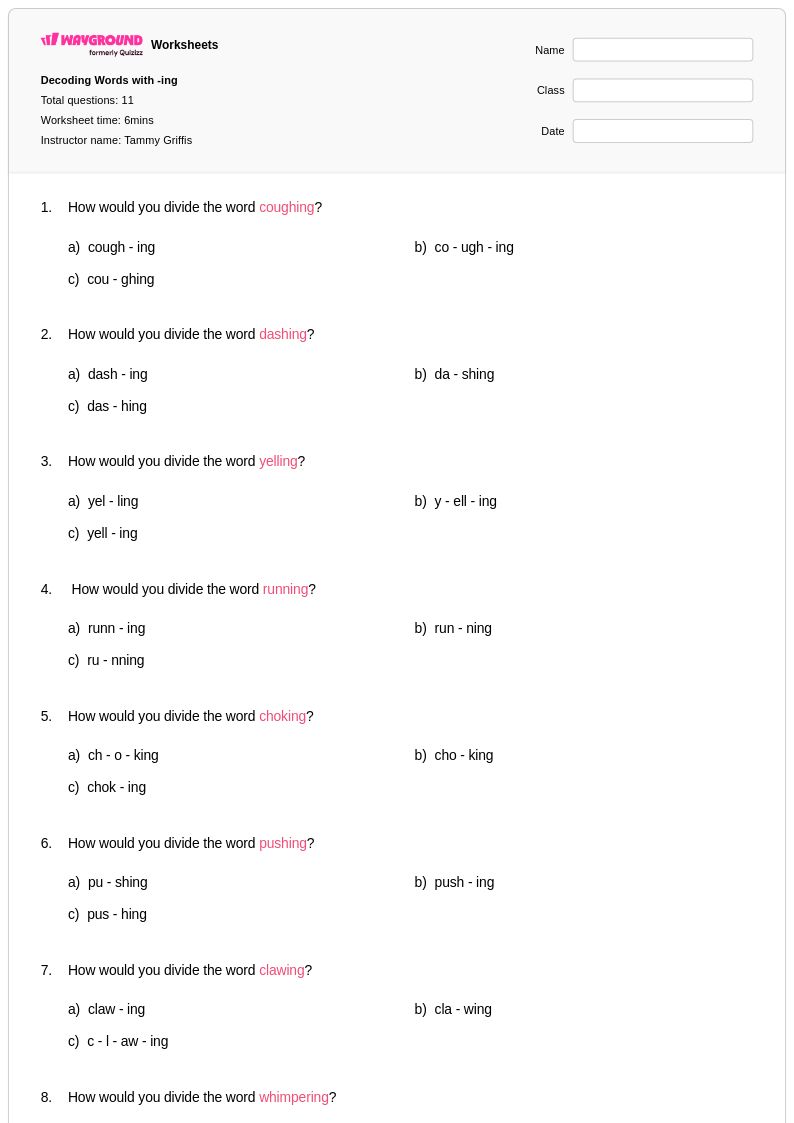
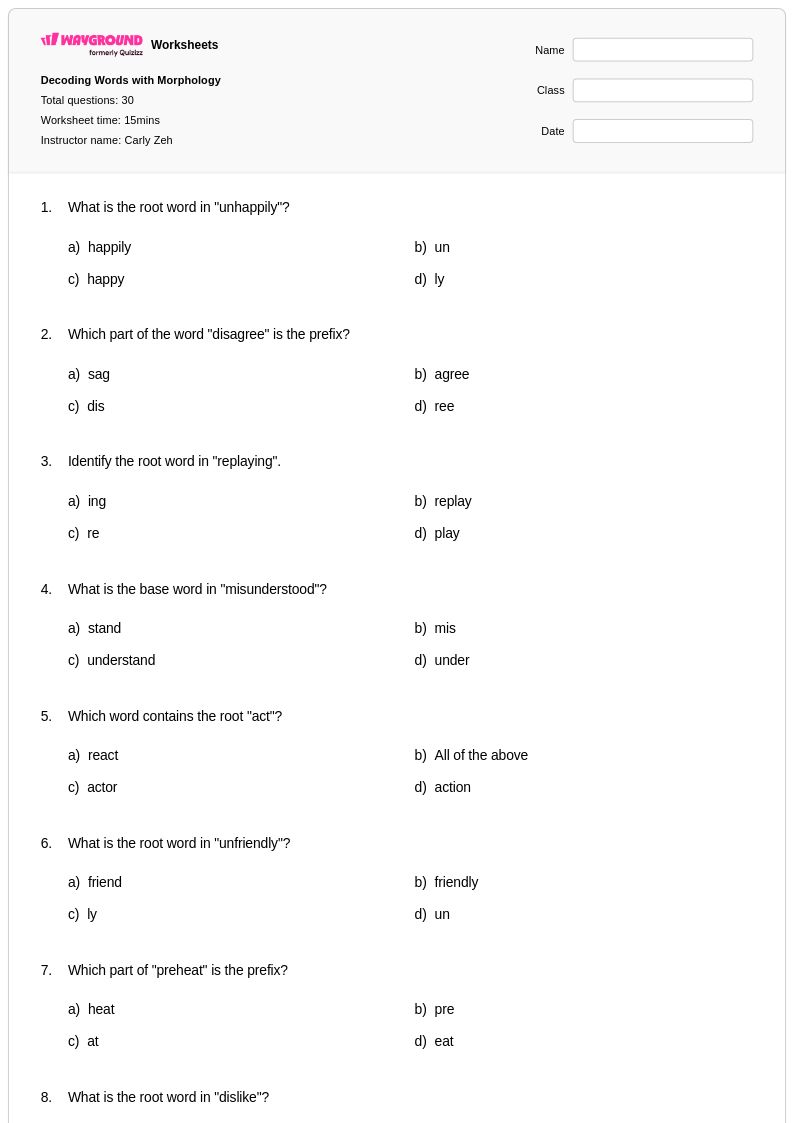
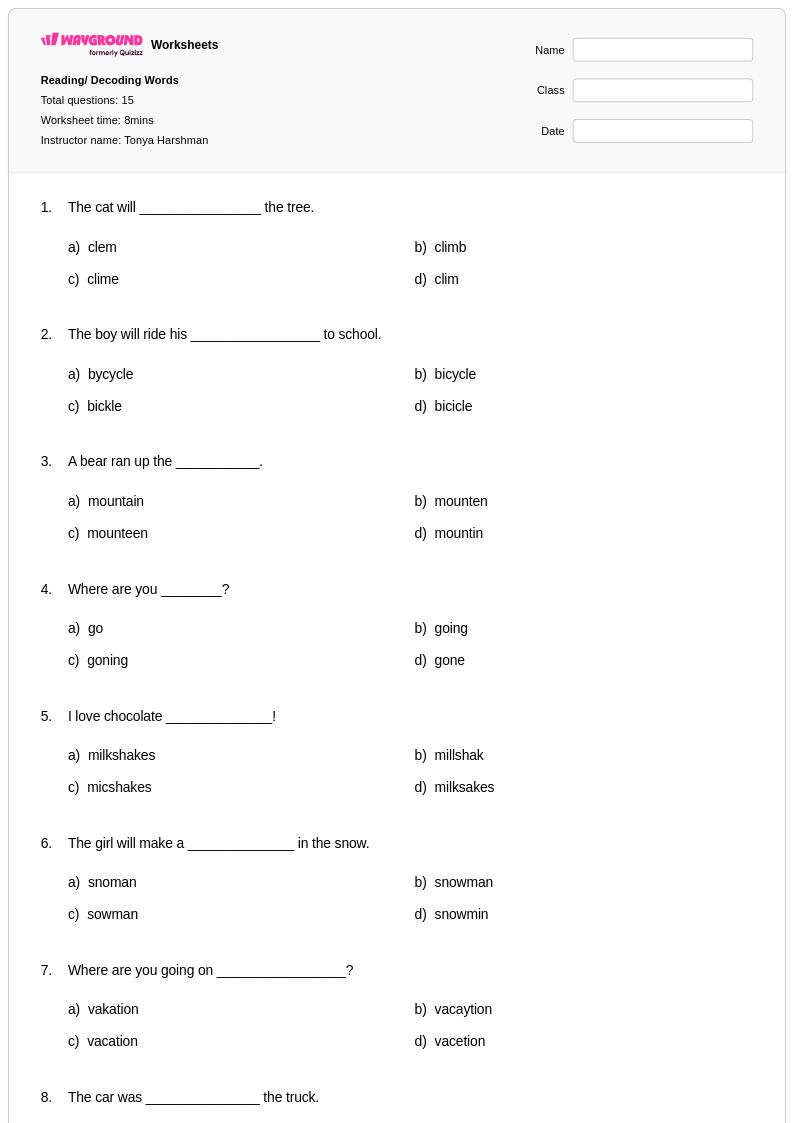
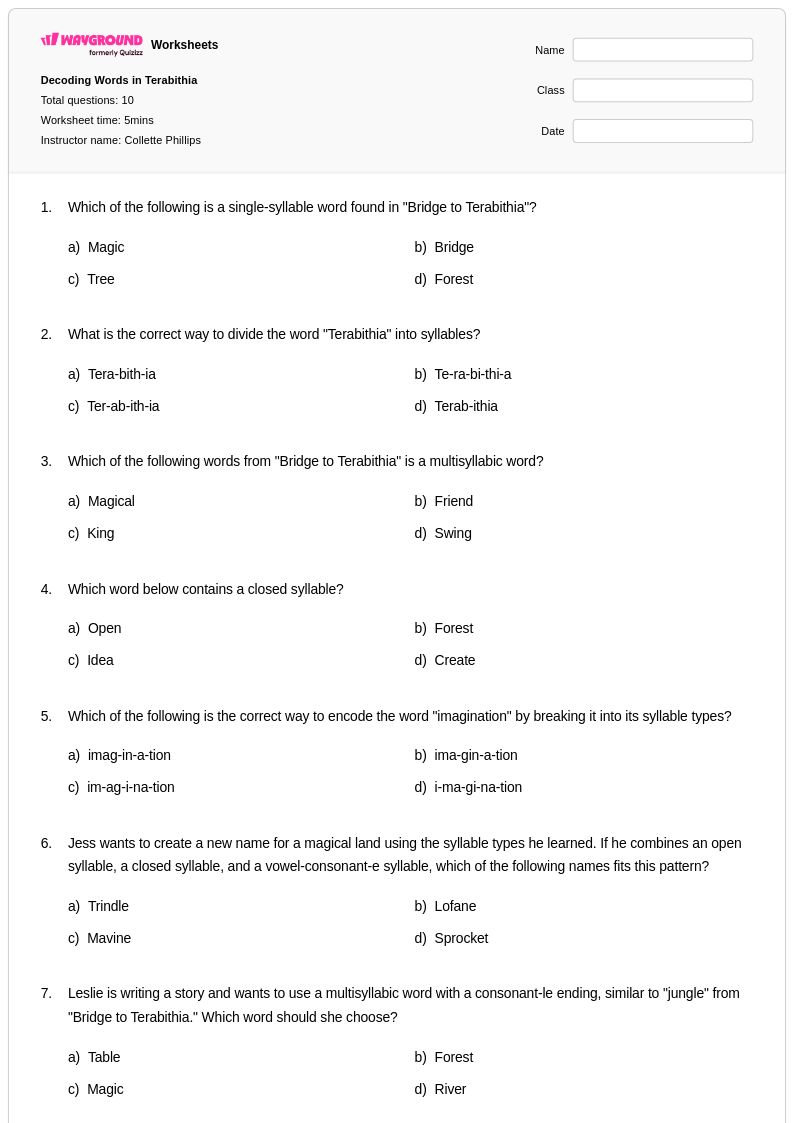
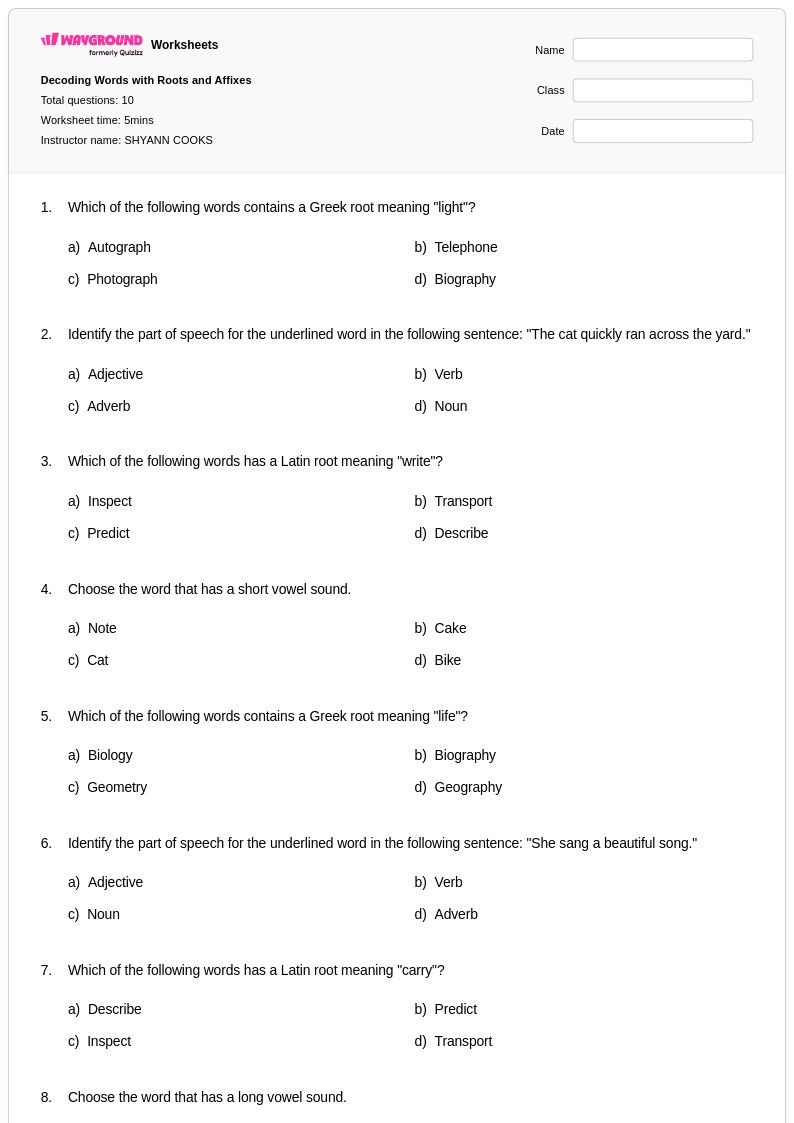
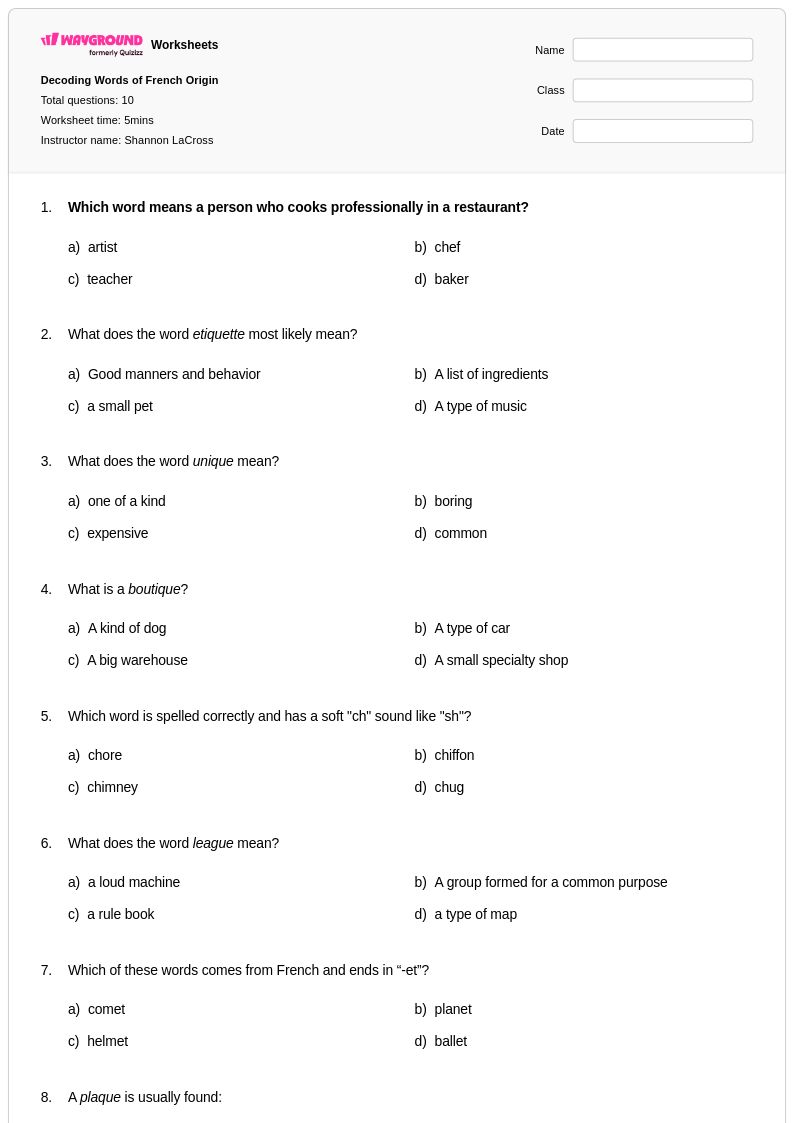
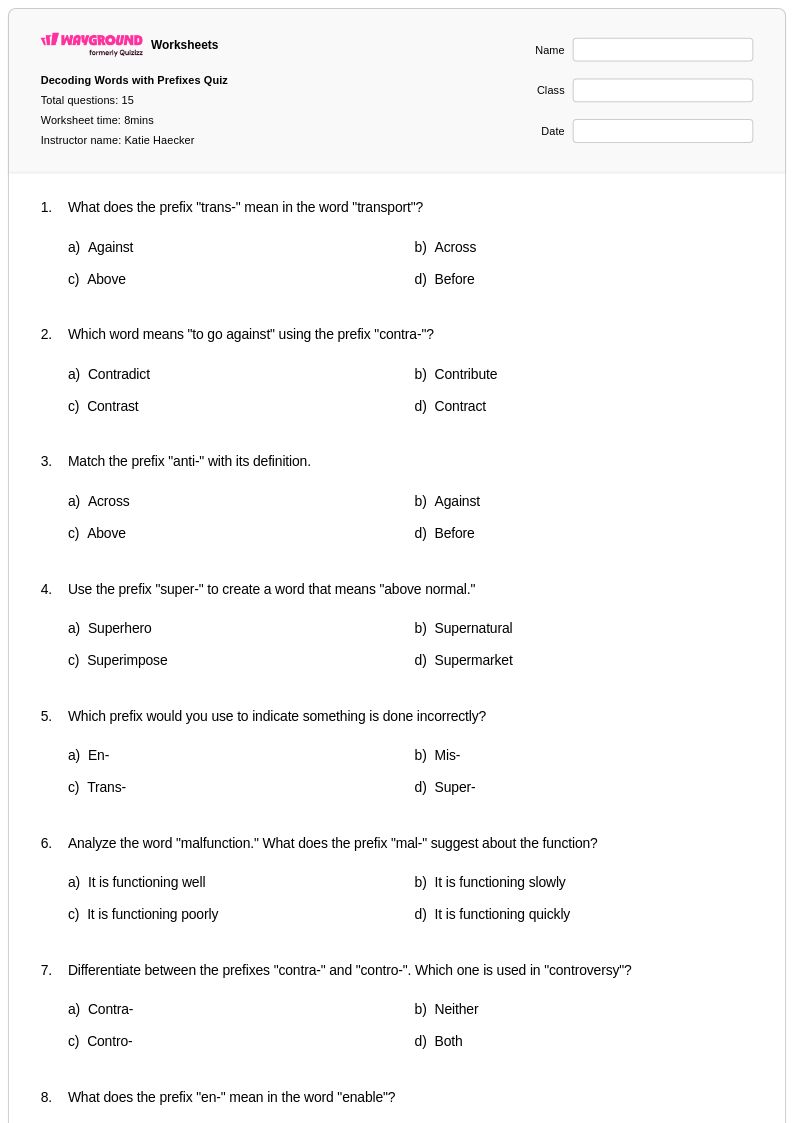
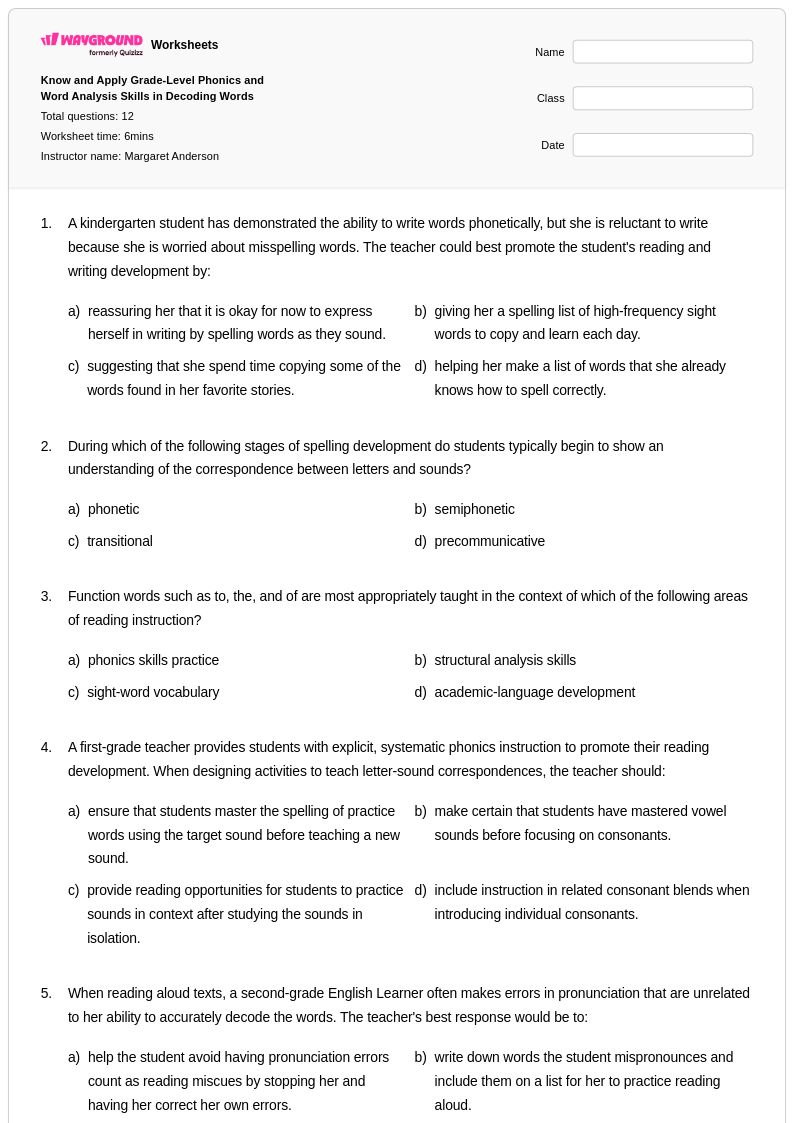
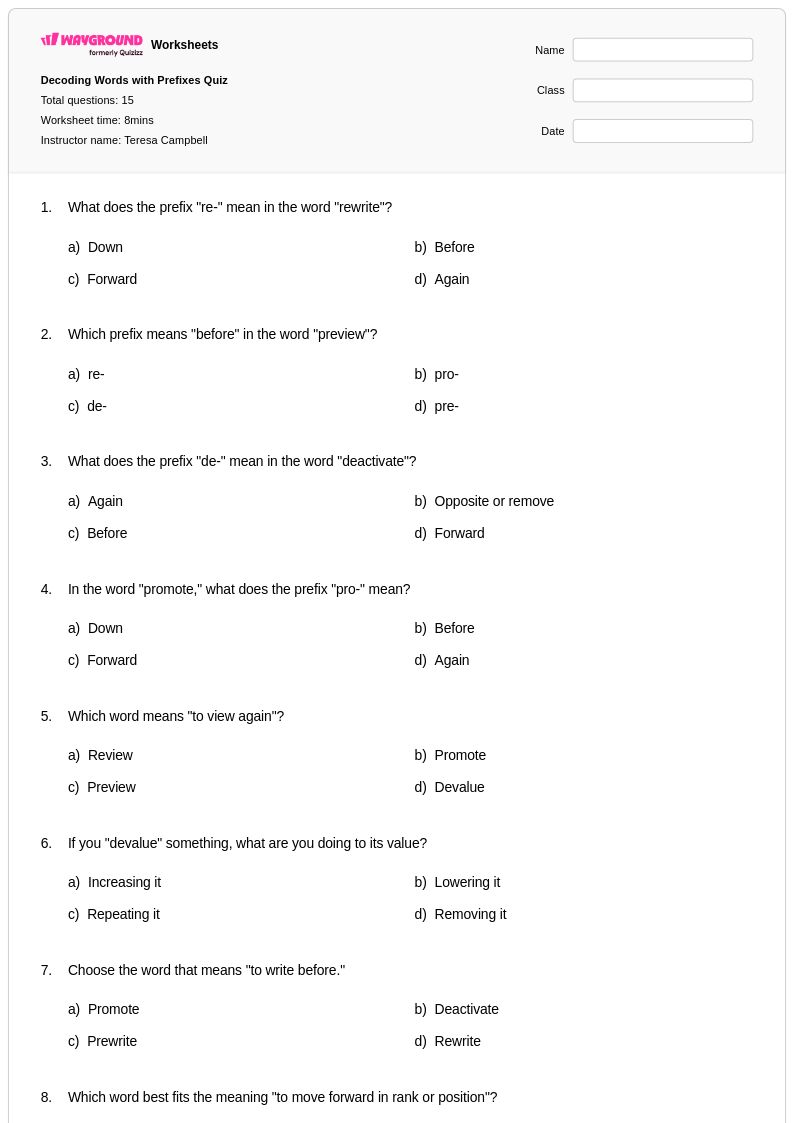
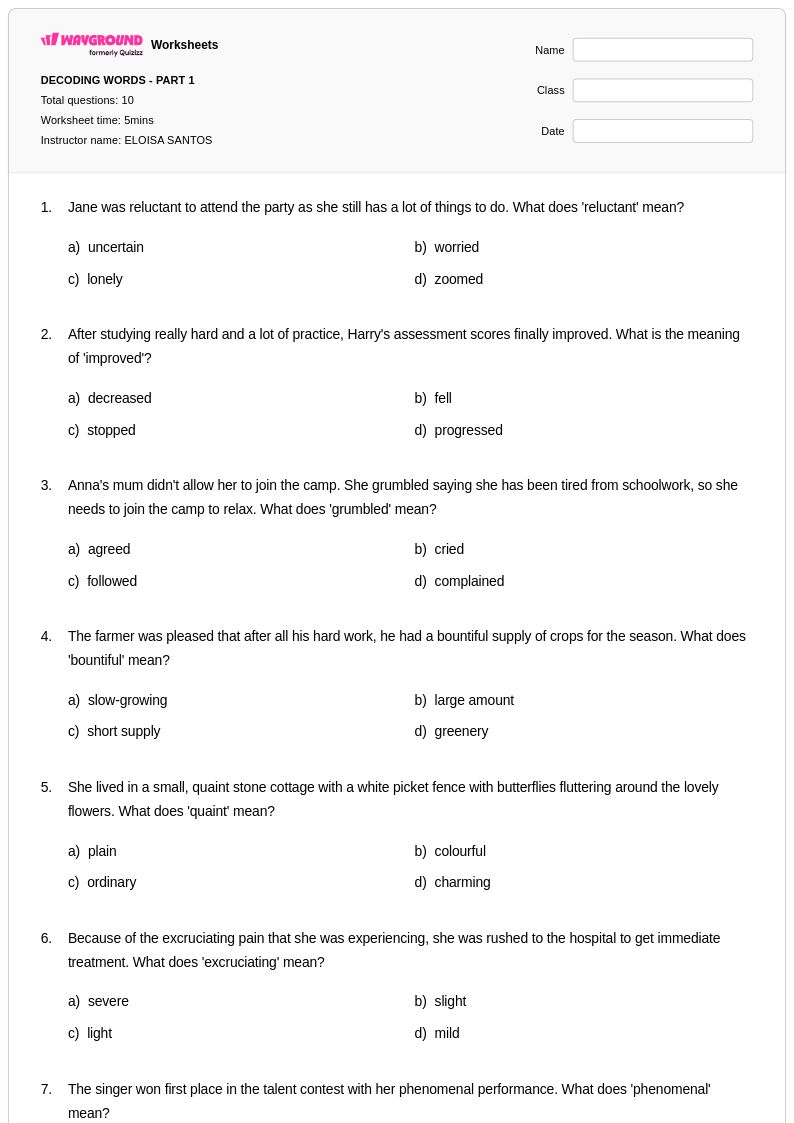
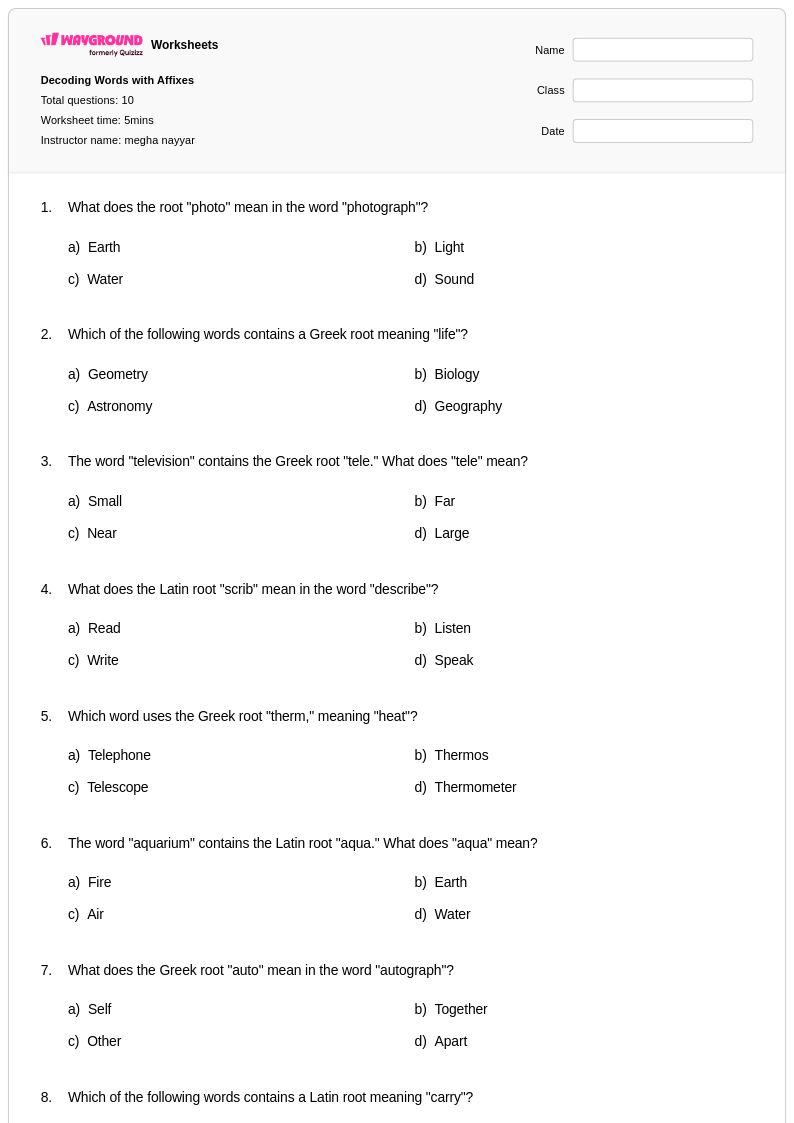
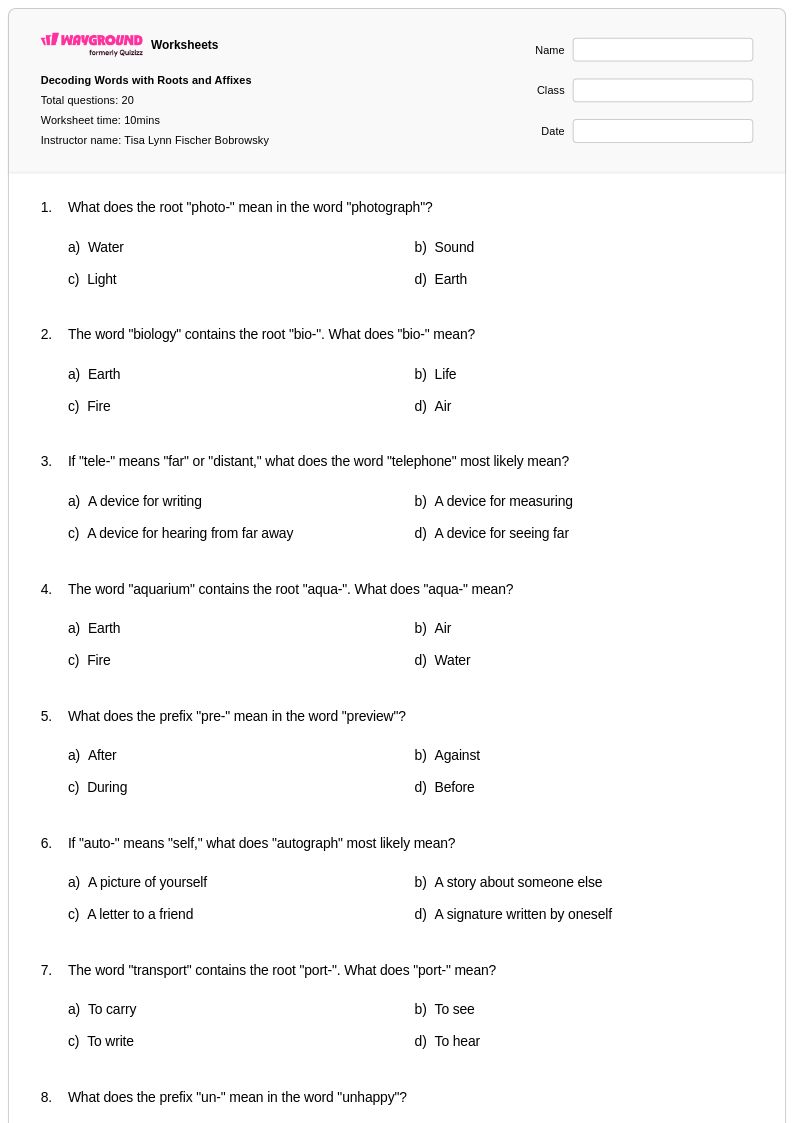
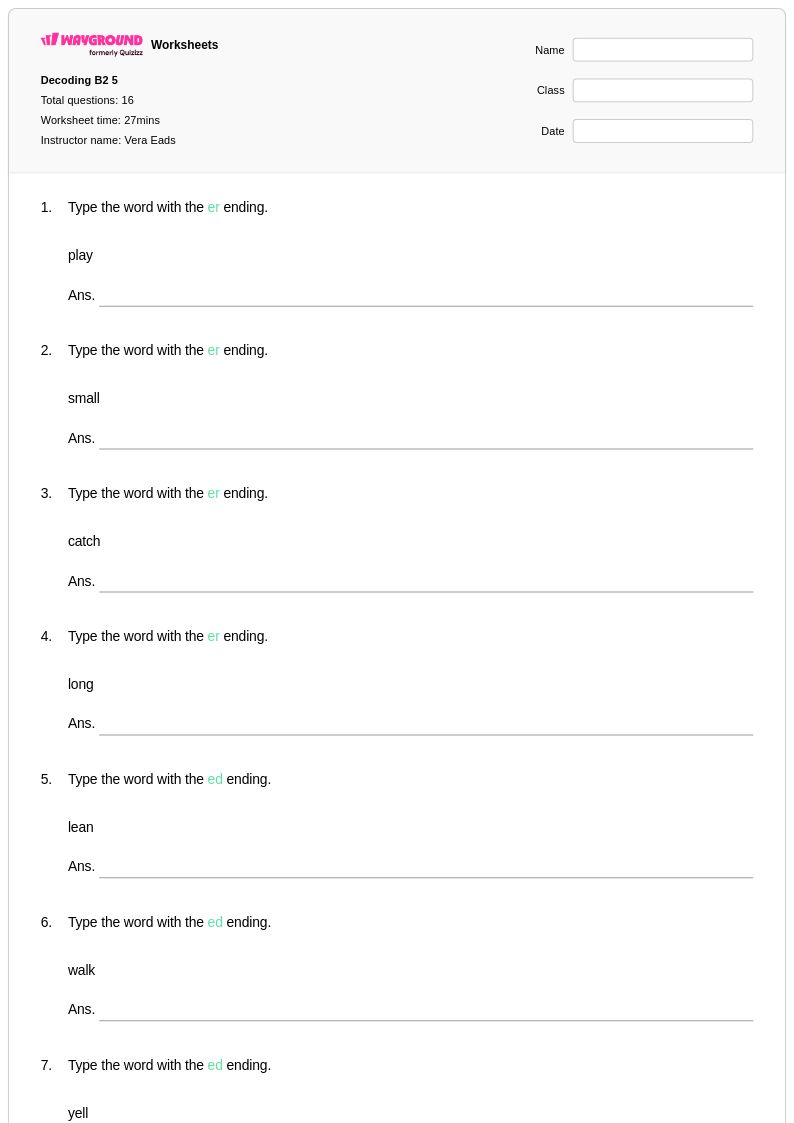
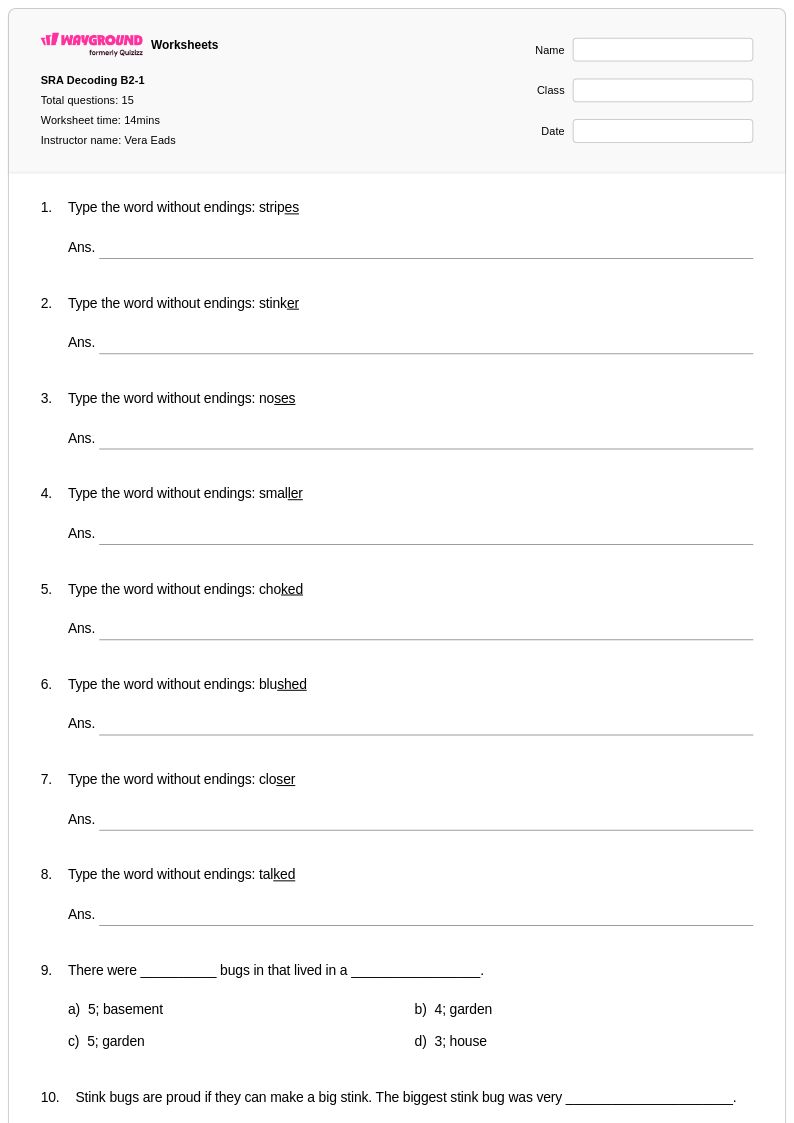
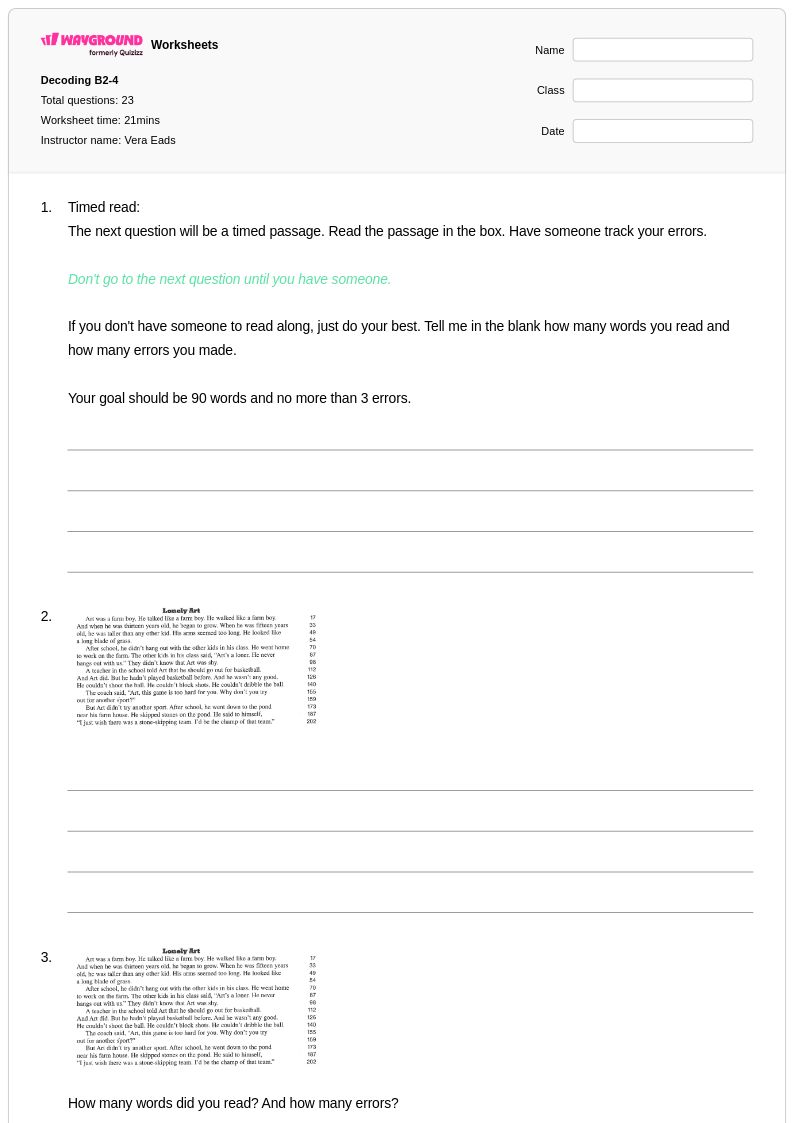
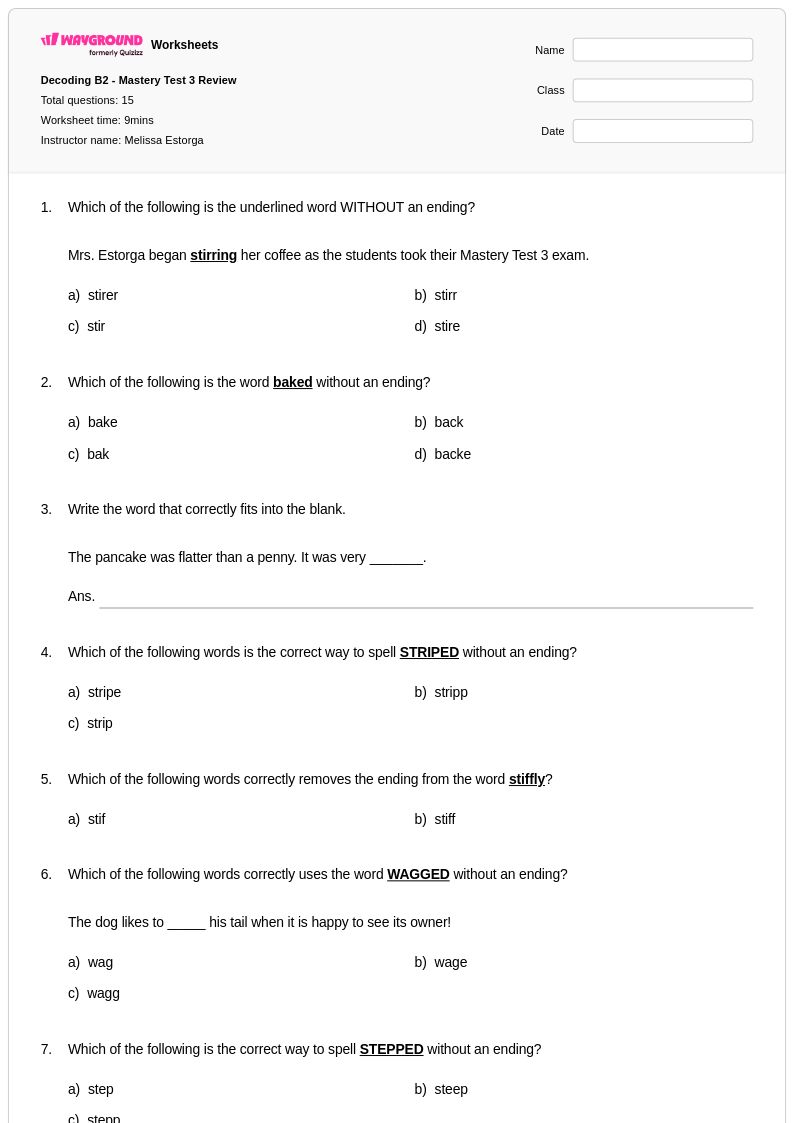
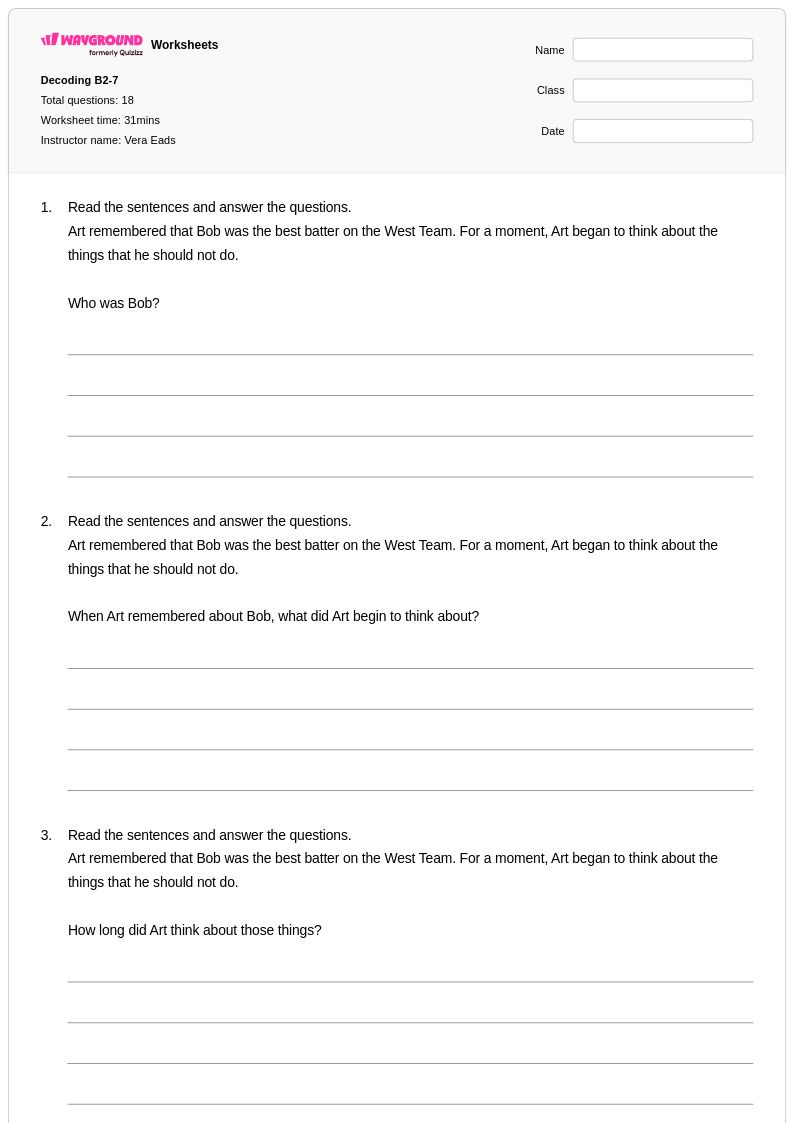
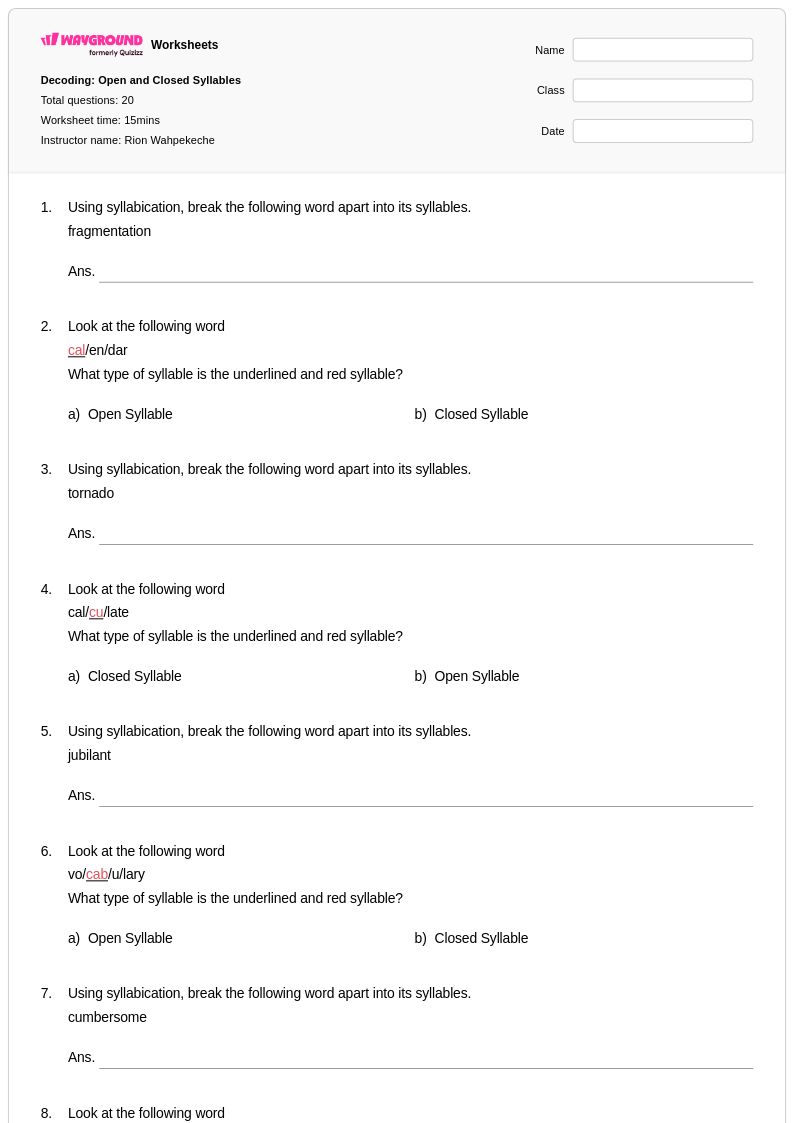
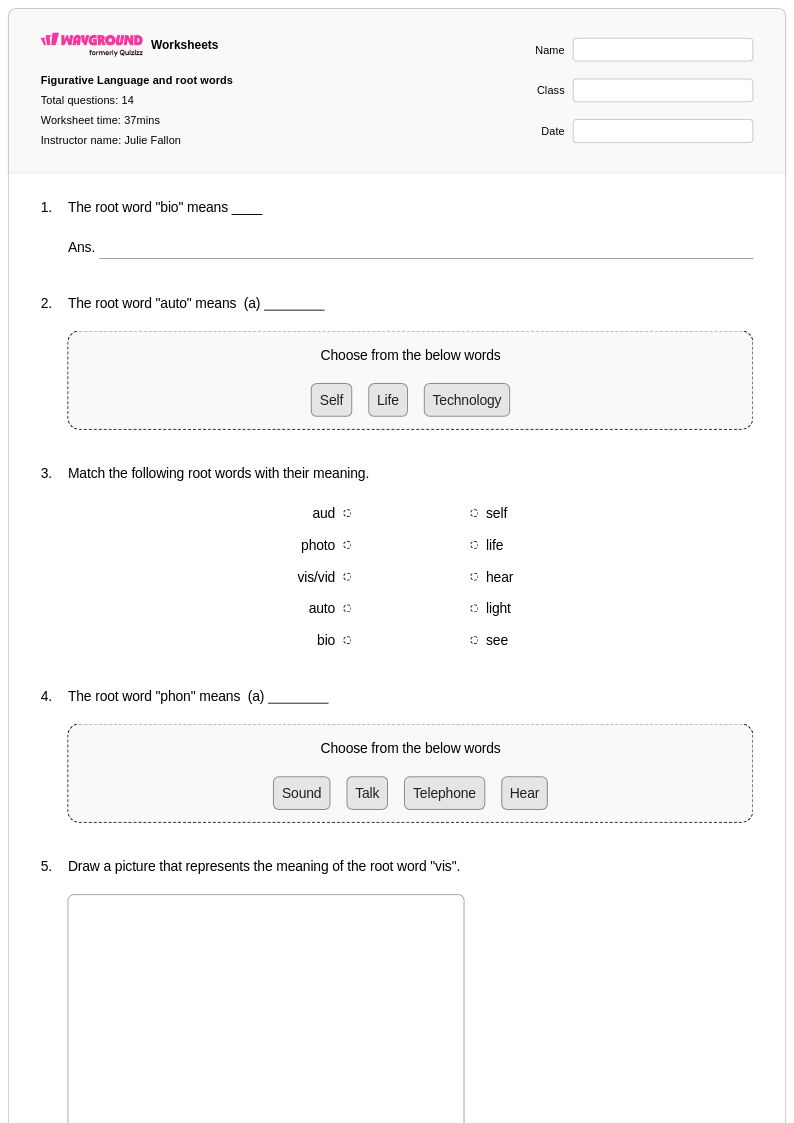
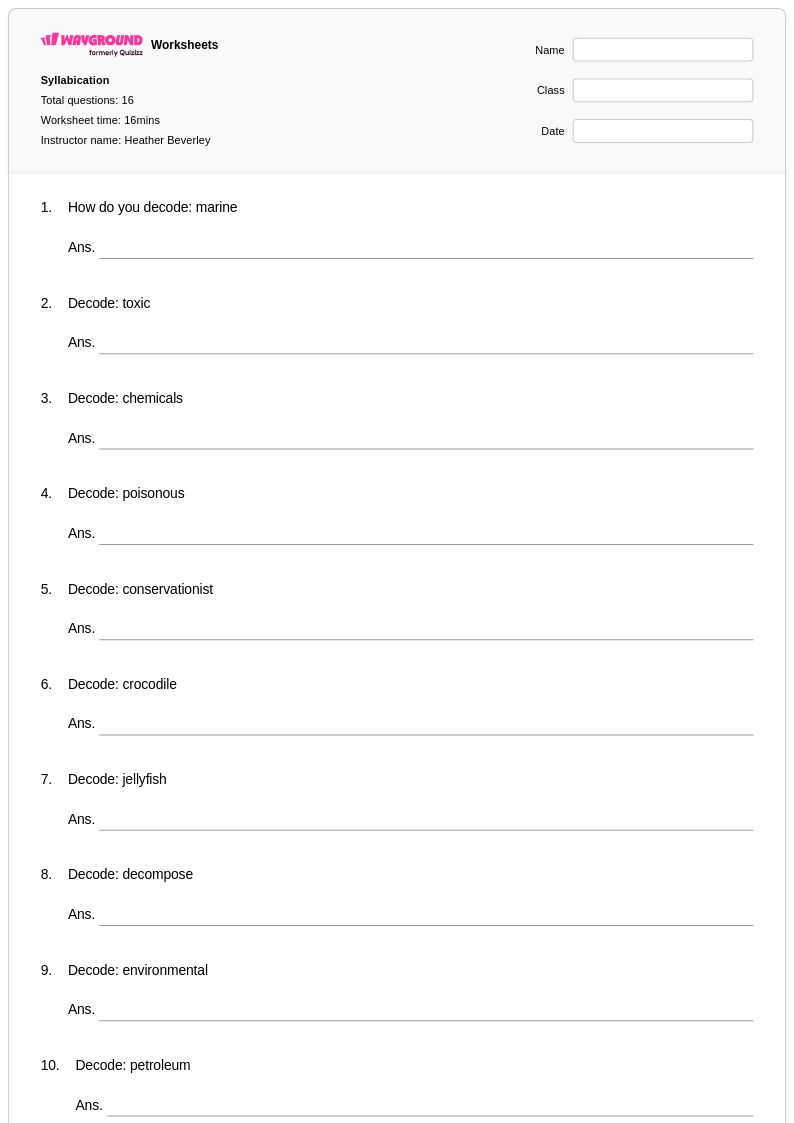
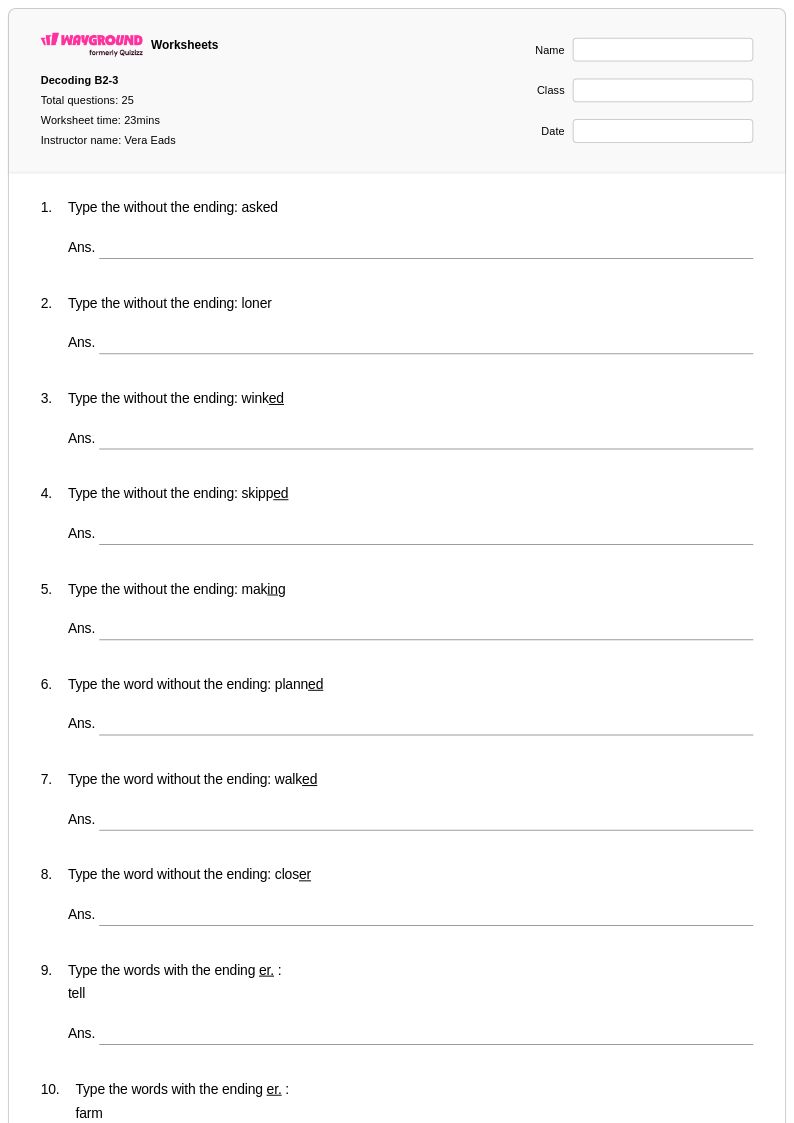
Class 5 decoding words worksheets available through Wayground (formerly Quizizz) provide comprehensive practice for students developing advanced phonetic analysis skills and word recognition strategies. These expertly designed resources focus on helping fifth graders break down complex multisyllabic words using letter-sound relationships, syllable patterns, and morphological awareness. Students engage with practice problems that challenge them to decode unfamiliar vocabulary by applying knowledge of vowel teams, consonant blends, prefixes, suffixes, and root words. Each worksheet collection includes detailed answer keys and is available as free printable pdf resources, allowing teachers to seamlessly integrate systematic decoding instruction into their literacy programs while building students' confidence with increasingly sophisticated texts.
Wayground (formerly Quizizz) supports educators with millions of teacher-created decoding worksheets that can be easily searched, filtered, and customized to meet diverse classroom needs. The platform's robust collection aligns with reading standards and offers differentiation tools that help teachers provide targeted instruction for students at varying skill levels. Teachers can quickly locate resources for specific decoding patterns, modify existing worksheets to address individual learning gaps, or create supplemental materials for enrichment activities. These flexible digital and printable formats streamline lesson planning while providing multiple opportunities for remediation and skill practice, ensuring that Class 5 students develop the foundational decoding competencies necessary for academic success across all subject areas.
FAQs
How do I teach decoding words to early readers?
Effective decoding instruction follows a systematic phonics sequence, beginning with simple consonant-vowel-consonant (CVC) patterns before progressing to blends, digraphs, and multi-syllabic words. Teachers should explicitly model how to segment a word into its individual sounds, blend those sounds together, and then confirm whether the result is a recognizable word. Repeated, structured practice with decodable texts reinforces the sound-symbol relationships students need to read independently.
What exercises help students practice decoding words?
Worksheets that progress from simple CVC patterns to more complex word structures give students scaffolded practice that builds confidence at each stage. Exercises such as sound segmentation, blending drills, and word-sorting activities are particularly effective because they require students to actively apply phonetic rules rather than memorize whole words. Consistent, low-stakes practice problems with immediate feedback through answer keys help students internalize decoding strategies they can transfer to independent reading.
What mistakes do students commonly make when decoding unfamiliar words?
One of the most common errors is over-relying on the first letter of a word and guessing based on context rather than fully sounding out each phoneme. Students also frequently confuse short and long vowel sounds, particularly in CVC versus CVCe patterns, or skip over blends and digraphs by omitting one of the component sounds. Identifying these patterns early allows teachers to target instruction on the specific sound-symbol relationships where students are breaking down.
How can I differentiate decoding instruction for struggling readers versus advanced learners?
For struggling readers, reduce the complexity of word patterns and provide additional scaffolding such as color-coded phoneme markers or reduced answer choices to lower cognitive load. Advanced learners benefit from exposure to multisyllabic words, morpheme analysis, and less common phonics patterns that extend their decoding toolkit. On Wayground, teachers can apply individual accommodations, including read aloud support and reduced answer choices for students who need them, while the rest of the class works with default settings.
How do I use Wayground's decoding words worksheets in my classroom?
Wayground's decoding words worksheets are available as printable PDFs for traditional classroom use and in digital formats for technology-integrated learning environments. Teachers can also host worksheets as a quiz directly on Wayground, making it easy to assign practice, collect responses, and review results in one place. Each worksheet includes an answer key, so grading and providing targeted feedback takes minimal time, whether you're using them for whole-class instruction, small group work, or independent practice.
How do phonemic awareness and decoding relate to each other in early literacy instruction?
Phonemic awareness is the oral ability to hear and manipulate individual sounds in spoken words, while decoding applies that skill to printed text by connecting those sounds to written letters and letter combinations. Students who struggle with phonemic awareness will almost always struggle with decoding because they have not yet internalized the sound units that written symbols represent. Building phonemic awareness through segmenting and blending activities is therefore a prerequisite that makes decoding instruction significantly more effective.