
Cold War Decolonization
10th Grade
•28 Qs

Similar activities
pendapatan Nasional
9th - 12th Grade
•24 Qs
Ruby Bridges (Black History Month Project)
KG - 12th Grade
•24 Qs
BTN Classroom Episode 30 Quiz
4th Grade - University
•25 Qs
Soal pra OSN 2
9th - 12th Grade
•24 Qs
PENILAIAN HARIAN 1 IPS 8
8th - 12th Grade
•25 Qs
10CIV Comparing Australian govt. to China
10th Grade
•23 Qs
Chapter 3 and 4 Test Review
10th Grade
•23 Qs
ENVIRONMENTAL POLLUTION
2nd Grade - Professional Development
•25 Qs
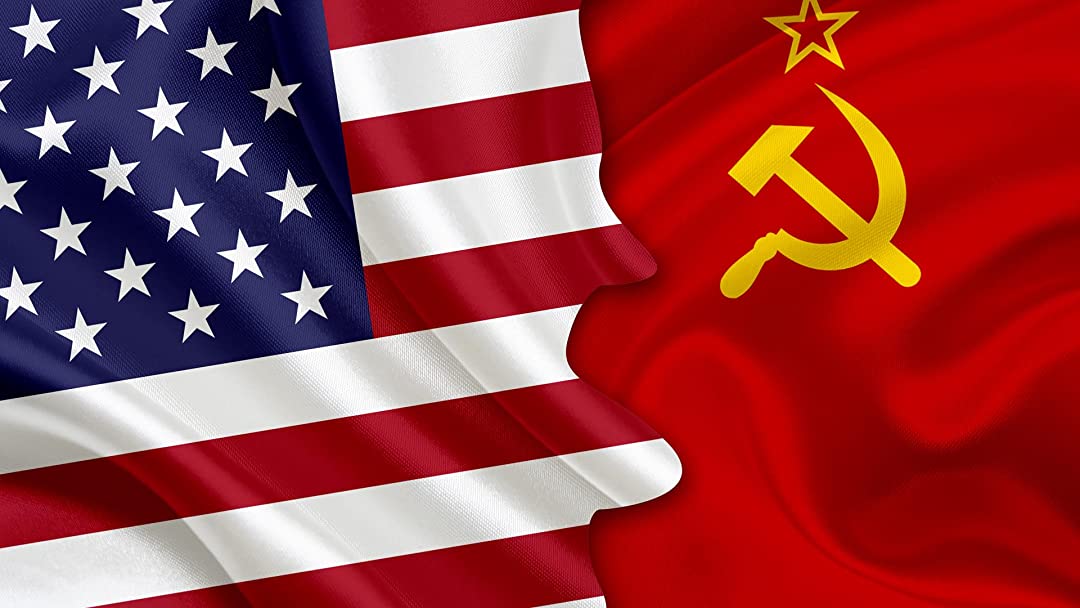
Cold War Decolonization

Quiz
•
Social Studies
•
10th Grade
•
Hard

Patricia White
FREE Resource
28 questions
Show all answers
1.
MULTIPLE CHOICE QUESTION
30 sec • 1 pt
Which of the following statements about Africa after 1946 is true?
Most African colonies gained national independence.
The Organization of African Unity resolved the issues that most African states found divisive.
Most African countries joined either NATO or the Warsaw Pact.
There was little postcolonial conflict in newly independent states.
Colonial patterns of trade disappeared.
2.
MULTIPLE CHOICE QUESTION
30 sec • 1 pt
Which of the following is the basis for nearly all the boundaries of today’s sub-Saharan African states?
Postcolonial conquests of one African state by another
Fragmentation of countries after they achieved independence from Europe
Decisions by European powers during the process of colonization
Precolonial linguistic groupings
International agreements mediated by the United Nations
3.
MULTIPLE CHOICE QUESTION
30 sec • 1 pt
Anticolonial movements like the Congress Party in India and the Young Turks agreed on which of the following?
The need for reform in order to resist European imperialism
The desire to return their societies to an earlier preindustrial age
Their intent to engage in territorial expansion at the expense of their weaker neighbors
Their emphasis on purely linguistic nationalism
The need to persuade all anticolonial movements to cooperate with European socialist parties
4.
MULTIPLE CHOICE QUESTION
30 sec • 1 pt
Which of the following was most clearly NOT a consequence of the Second World War?
The independence of Brazil
The independence of Indonesia
The nuclear standoff between the Soviet Union and the United States
The democratic constitution of Japan
The division of Berlin
5.
MULTIPLE SELECT QUESTION
30 sec • 1 pt
Which of the following was a principal cause of the Cold War?
Proxy wars in Latin America
Competition for natural resources in Africa
The nuclear arms race
Conflicting capitalist and communist ideologies
6.
MULTIPLE CHOICE QUESTION
30 sec • 1 pt
Which of the following describes a major change in international relations in the 1980s and 1990s?
The rapid establishment of large overseas colonial empires by European powers
The disbanding of most regional political organizations
The decline in power of multinational corporations
The reduction of confrontations between communist and noncommunist countries
7.
MULTIPLE CHOICE QUESTION
30 sec • 1 pt
China’s strategy for modernization and economic development in the 1950s most closely resembled the developmental strategy of
India
Japan
Britain
the Soviet Union
the United States
Create a free account and access millions of resources
Create resources
Host any resource
Get auto-graded reports

Continue with Google

Continue with Email

Continue with Classlink

Continue with Clever
or continue with

Microsoft
%20(1).png)
Apple

Others
By signing up, you agree to our Terms of Service & Privacy Policy
Already have an account?
Similar Resources on Wayground
26 questions
Byzantine and Medieval Europe Review
Quiz
•
10th Grade
23 questions
M_Hall Study Guide
Quiz
•
10th Grade
24 questions
Country with Capital
Quiz
•
KG - 10th Grade
24 questions
HS Word History: Industrial Revolution Unit Test
Quiz
•
9th - 12th Grade
25 questions
AP10_4TH QTR_ST1_REVIEWER
Quiz
•
10th Grade
25 questions
PTS 1 - PPKn Kls 7 Sem.1
Quiz
•
7th Grade - Professio...
23 questions
Unit 2 Review
Quiz
•
9th - 12th Grade
25 questions
Unit 2 Government Exam
Quiz
•
9th - 12th Grade
Popular Resources on Wayground
20 questions
Halloween Trivia
Quiz
•
6th - 8th Grade
25 questions
Multiplication Facts
Quiz
•
5th Grade
15 questions
Order of Operations
Quiz
•
5th Grade
20 questions
Halloween
Quiz
•
5th Grade
16 questions
Halloween
Quiz
•
3rd Grade
12 questions
It's The Great Pumpkin Charlie Brown
Quiz
•
1st - 5th Grade
20 questions
Possessive Nouns
Quiz
•
5th Grade
10 questions
Halloween Traditions and Origins

Interactive video
•
5th - 10th Grade
Discover more resources for Social Studies
5 questions
BR - History of Halloween
Interactive video
•
10th Grade
10 questions
Exploring Economic Systems and Their Impact
Interactive video
•
6th - 10th Grade
29 questions
Review for Exam 4: Roaring 20s
Quiz
•
10th Grade
20 questions
Unit 7 FA: IR, Nationalism, and Imperialism
Quiz
•
10th Grade
10 questions
Exploring the Constitutional Convention
Interactive video
•
6th - 10th Grade
19 questions
Unit 1.4 | European Economics

Lesson
•
6th Grade - University
36 questions
LP2 - Introduction to the Dust Bowl
Lesson
•
9th - 12th Grade
10 questions
Exploring the Executive Branch and Presidential Powers
Interactive video
•
6th - 10th Grade