
BR 56 -Biomolecules & Enzymes
Biology
8th - 10th Grade
NGSS covered
Used 356+ times


AI Actions
Add similar questions
Adjust reading levels
Convert to real-world scenario
Translate activity
More...
Content View
Student View
18 questions
Show all answers
1.
MULTIPLE CHOICE QUESTION
2 mins • 1 pt
Proteins and polysaccharides are polymers. These polymers are formed by dehydration synthesis. Which statement correctly identifies a difference in the structure of proteins and polysaccharides?
Only polysaccharides are made of repeating units of cytosine, adenine, guanine, and thymine.
Only proteins are formed from amino acids joined by peptide bonds.
Only polysaccharides can be folded and twisted to very specific shapes.
Only proteins can be large molecules with thousands of subunits.
2.
MULTIPLE CHOICE QUESTION
45 sec • 1 pt
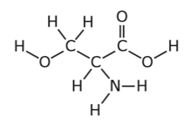
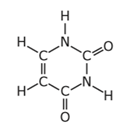
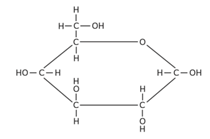
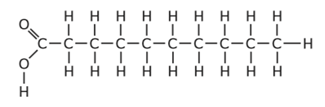
Which of these best represents a fatty-acid molecule?
3.
MULTIPLE CHOICE QUESTION
1 min • 1 pt
Overheating an enzyme results in the enzyme’s loss of —
net electrical charge
ability to catalyze a reaction
storage of a large amount of chemical energy
storage of inherited information
Tags
NGSS.HS-PS1-5
4.
MULTIPLE CHOICE QUESTION
1 min • 1 pt
Which of the following biological molecules is correctly paired with one of the functions it primarily serves in living cells?
nucleic acids - store genetic information
lipids - catalyze chemical reactions
carbohydrates - component of cytoskeleton
proteins - long term energy storage
5.
MULTIPLE CHOICE QUESTION
2 mins • 1 pt
In red blood cells, the compound carbonic anhydrase increases the rate at which carbon dioxide is converted to bicarbonate ions for transport in the blood. In red blood cells, carbonic anhydrase acts as which of the following?
an enzyme
a hormone
a lipid
a sugar
6.
MULTIPLE CHOICE QUESTION
1 min • 1 pt
Which best describes how enzymes function in the body?
Enzymes are converted into products by the reactions they catalyze.
Enzymes lower the activation energy of reactions.
One enzyme can catalyze many different reactions.
An enzyme is used once and then destroyed by the cell.
7.
MULTIPLE CHOICE QUESTION
1 min • 1 pt
Which statement describes the major role of lipids within a cell?
They cause DNA to replicate.
They move RNA in the cytoplasm.
They catalyze chemical reactions in the cell.
They are the main components of membranes.
Access all questions and much more by creating a free account
Create resources
Host any resource
Get auto-graded reports

Continue with Google

Continue with Email

Continue with Classlink

Continue with Clever
or continue with

Microsoft
%20(1).png)
Apple

Others
Already have an account?

