
ELA 11 -- Meet the Pilgrims: Core Beliefs and Val

Presentation
•
English
•
11th Grade
•
Practice Problem
•
Medium
+7
Standards-aligned

Tamara Bacon
Used 5+ times
FREE Resource
12 Slides • 3 Questions
1
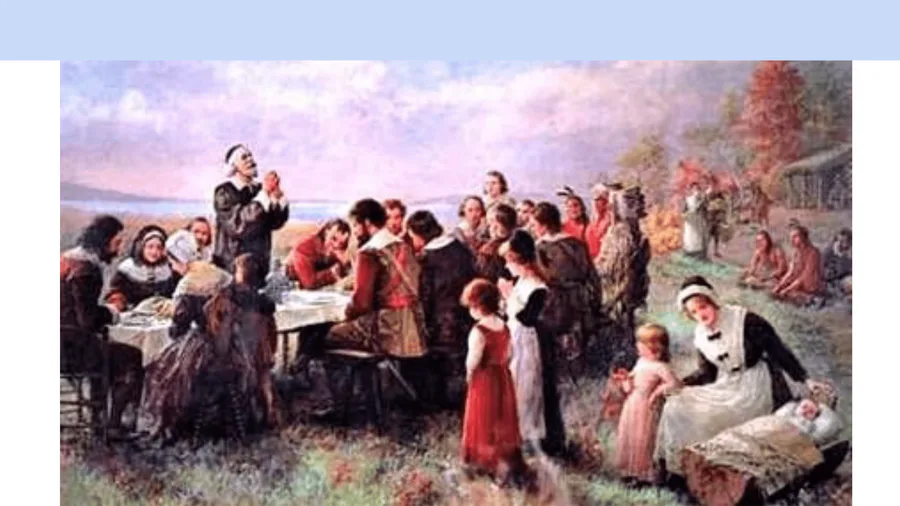
Arrival at Plymouth, 1620
2
Core Beliefs and Values
●What values and beliefs did the Pilgrims hold dear?
●How did they view their own trials and tribulations?
As you learn about some of the core beliefs and values of the settlers,
consider the source of these values and how they influenced the writings of
the time.
3

Pilgrims of 1620
Ancient Israelites (from the Bible)
Persecution
While living in England, the Pilgrims were harassed,
fined, and imprisoned because of their religious
beliefs. They were forbidden to practice their religion in their home country.
The ancient Israelites lived as slaves in Egypt for
many years and were denied freedom of all
kinds—including the freedom to practice their
religion—by their Egyptian masters.
Flight
The Pilgrims decided that leaving England to establish a settlement in North America was the only way to escape the harsh treatment they received at the hands of King James I.
Their escape from Egypt was an escape from a brutal and unsympathetic pharaoh, or Egyptian king.
Struggles
of
Emigration
The Pilgrims endured a long and grueling journey
across the Atlantic Ocean. Many of their group grew ill with scurvy, and the Mayflower itself was battered and weakened in the crossing.
The Israelites endured 40 years in the wilderness after escaping captivity. They faced not only the possibility of being recaptured, but also harsh physical conditions and the constant threat of death.
The
Promised
Land
The Pilgrims viewed America as a new Promised
Land, a place reserved for them by God for the
purpose of creating a society that glorified God and
exemplified the piety and faith of its founders.
In return for their faithfulness, God made a covenant with the Israelites and promised them a place where they could settle and create a model society based on piety and goodness.
Parallels to Ancient Israelites from the Bible
4


Checking for Understanding
According to the Bible, the main reason the ancient Israelites fled Egypt was to
escape the persecution of the pharaoh. Based on your knowledge of the Pilgrims,
which of the following was most likely a main motive for their journey across the
Atlantic?
A)
A desire for adventure and a new way of living
B)
Disapproval of Protestantism
C)
Financial profit
D)
The freedom to practice Christianity as they wished
Correct!
Corect!
5
Match

In their writings, the Pilgrims often compared and contrasted what was actually happening to them and passages from the Bible. To do this, they used allusions, which are references within a work of literature to a different work of literature or historical event outside that work of literature. People use allusions every day, often without even realizing it. Here are some allusion examples you might've heard (or even said yourself!) in everyday conversation.
Match the allusion example to the reference!
"Chocolate cake is my Achilles heel."
"He's a cool guy, but he becomes a lovesick Romeo every time he's around her."
"We got a new Einstein in school today."
"Why are you always such a Scrooge? It doesn't cost much, and it'll be fun!"
"She's a good swimmer, but she's no Katie Ledecky."
From literature, one obsessed with love
From literature, a selfish penny-pincher
From Greek mythology, a weakness.
From current events, an elite athlete
From history, a genius
From literature, one obsessed with love
From literature, a selfish penny-pincher
From Greek mythology, a weakness.
From current events, an elite athlete
From history, a genius
6
Figurative Language: Allusion
In their writings, the Pilgrims often compared and contrasted what was actually happening to them with passages from the Bible. To do this, they used allusions, which are references within a work of literature to a different work outside of that literature, or a historical event outside that work of literature.
People use allusions every day, often without even realizing it. Here are some allusion examples you might've heard (or even said yourself!) in everyday conversation.
"Chocolate cake is my Achilles heel."
Allusion: "Achilles' heel," from the Greek myth about the hero Achilles and how his heel was his one weakness. In this case, the speaker's "one weakness" is chocolate cake.
"He's a cool guy, but he becomes a lovesick Romeo every time he's around her."
Allusion: Romeo from William Shakespeare's Romeo and Juliet, is head-over-heels in love with Juliet, causing him (and her) to act impetuously.
"We got a new Einstein in school today."
Allusion: Physicist Albert Einstein was a genius, so this means that the new student is extremely smart.
"Why are you always such a Scrooge? It doesn't cost much, and it'll be fun!"
Allusion: Ebenezer Scrooge from Charles Dickens' famous tale A Christmas Carol is known for being a selfish penny-pincher, so calling someone a Scrooge is essentially saying they are cheap grouchy.
"She's a good swimmer, but she's no Katie Ledecky."
Allusion: Katie Ledecky has won 9 gold Olympic medals in swimming; apparently, the subject of the sentence is not on Ledecky's level of accomplishment.
7
Drag and Drop

8

is demonstrated through piety, courage, and industry
helps earn God’s favor and salvation of one’s soul
Let’s go to the VIDEO:
(2:25)
Think about it: What impression do you get of life in New England for the Pilgrims? Was there much time for play? What would happen if one person slacked off, refused to do their part?
The Pilgrim and Puritan way of life
Religious Faith
(non-working link)
9
Categorize
Religious devotion
God's Protection
Survive harsh weather
endure isolation
Farm crops
Hunt animals
Build homes and towns
Store food
Deal with unfamiliar people
Sense of Community
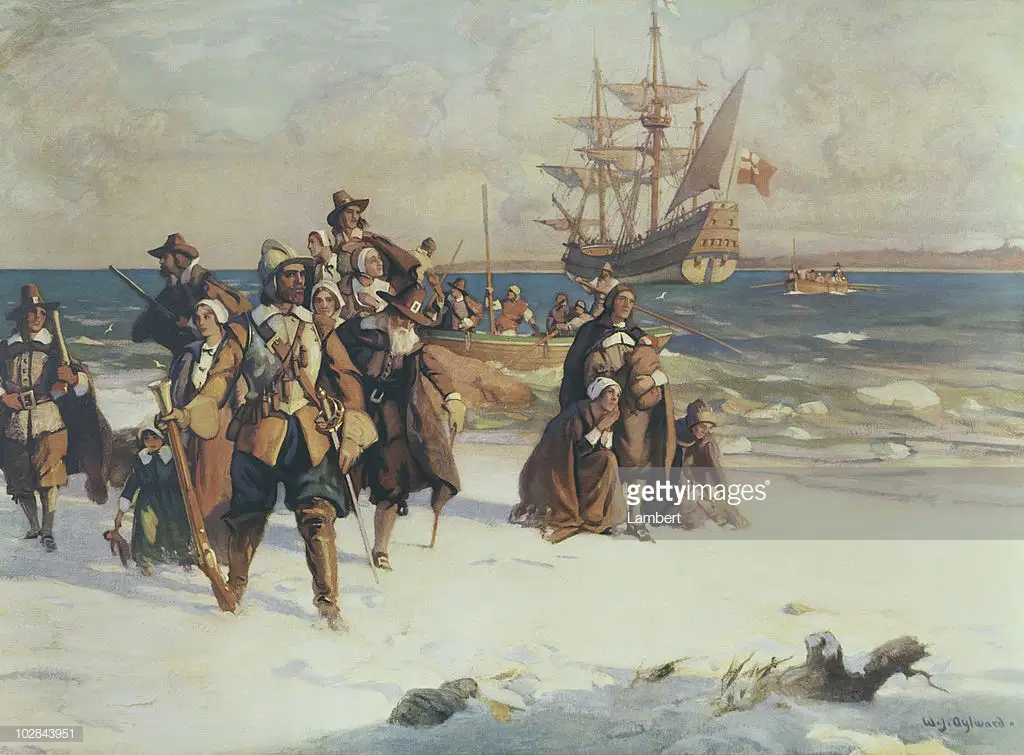
Organize these options into the right categories
10


Pilgrim Values
●
Piety
●
Courage
●
Industry
11


Piety
Means deep religious faith and observance
Assures Pilgrims of God’s protection
Delivered the Pilgrims safely across the sea
Essential to surviving the unknown wilderness
Requires public demonstration - church attendance mandatory in most Pilgrim/Puritan settlements
12

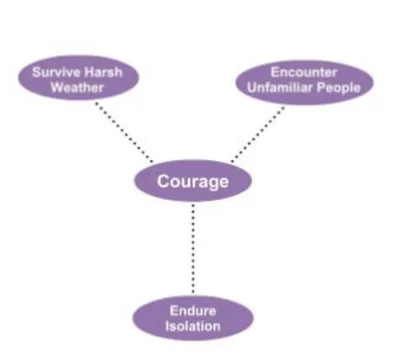
Courage
●
Difference between life and
death
●
Struggle in unknown land
○Isolation from home country
○Brutal winter weather
○Native people with unfamiliar ways
13

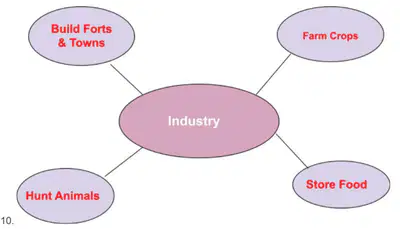
Industry
●This word’s Pilgrim usage has NOTHING to do with
the way we think of industry today (like factories or
industrial parks). The word industry means hard
work or strong work ethic.
●Having a strong work ethic enables the Pilgrims to:
○Create the first forts and towns in America
○Learn basic survival skills
○Learn how to farm the region’s crops
○Learn how to hunt the area’s wild animals
○Learn how to store and preserve food
●Laziness - more than just an annoying trait -- a
grave character flaw that could result in hardship for
all in the community.
14

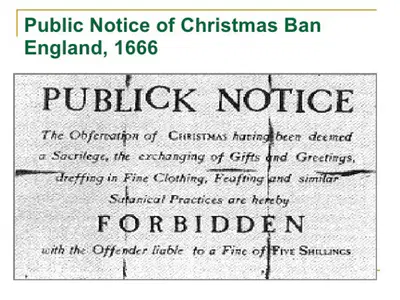
Values Influence Life
What BIG THREE values were most important to the Pilgrims (and the Puritans as well)?
How did the Pilgrims view their difficulties in getting to North America and getting settled?
Christmas was not a holiday for
celebration, as you can tell by
reading the above notice!
15

Pilgrim Power
Based on your knowledge of the settlers’ circumstances and beliefs, name another value they
would likely have championed, and explain your choice. (Review the video from slide 8 if you need ideas!)
What might have happened if the early settlers had not valued piety, courage, and industry?
Arrival at Plymouth, 1620
Show answer
Auto Play
Slide 1 / 15
SLIDE
Similar Resources on Wayground

12 questions
Simple Past Tense VS Present Perfect Tense
Presentation
•
10th Grade
10 questions
Making, accepting & declining invitations.
Presentation
•
10th Grade
10 questions
ICFES
Presentation
•
11th Grade
10 questions
PLACES IN TOWN
Presentation
•
KG
10 questions
SIMPLE PRESENT VS CONTINUOUS PRESENT
Presentation
•
11th Grade
12 questions
Logical Fallacies
Presentation
•
11th Grade
12 questions
Present Perfect Continuous
Presentation
•
10th Grade
12 questions
Descriptive Text
Presentation
•
10th Grade
Popular Resources on Wayground
25 questions
The Ultimate College Knowledge Quiz

Quiz
•
8th Grade
20 questions
Math Review
Quiz
•
3rd Grade
15 questions
Fast food
Quiz
•
7th Grade
20 questions
Math Review
Quiz
•
6th Grade
20 questions
Context Clues
Quiz
•
6th Grade
20 questions
Inferences
Quiz
•
4th Grade
19 questions
Classifying Quadrilaterals
Quiz
•
3rd Grade
20 questions
Figurative Language Review
Quiz
•
6th Grade
Discover more resources for English
13 questions
TSI - Reading & Writing
Quiz
•
9th - 12th Grade
40 questions
Macbeth Review
Quiz
•
11th Grade
45 questions
Fences Play Review
Quiz
•
9th - 12th Grade
20 questions
Analyzing Author's Purpose and Audience
Quiz
•
11th Grade
15 questions
English II EOC Review
Quiz
•
10th - 11th Grade
50 questions
Romeo and Juliet Prologue & Acts 1-5 Test
Quiz
•
9th - 12th Grade
53 questions
Romeo and Juliet Acts 1-5
Quiz
•
9th - 12th Grade